Small-Space Guild
- Current Stock:
- 0
- Example of a Native Plant Guild:
- ***For Reference Only - Not For Purchase***
A native food garden that fits a patio, side yard, or 10 x 10 ft bed, with compact berry shrubs, groundcovers, and greens. Most of these plants also grow well in large containers.
What Is a Guild?
A guild is an idea borrowed from nature and from permaculture: a community of plants chosen to support one another. Instead of a lonely row of a single crop, a guild layers a central tree or shrub with companions that feed the soil, draw in pollinators, cover bare ground, and yield food — each sharing light, water, and nutrients the way a small patch of wild woodland or meadow does. Plant one, and you're not just gardening; you're starting a little ecosystem.
The Small-Space Guild
Most guilds need a big yard. This one is for city lots and small gardens. It layers compact berry shrubs like honeyberry, evergreen huckleberry, lingonberry, and bog blueberry with edging plants and greens, so a small space produces from spring greens to fall berries. Nearly everything stays under about 5 ft, or can be kept there with light pruning.
Plants in This Guild
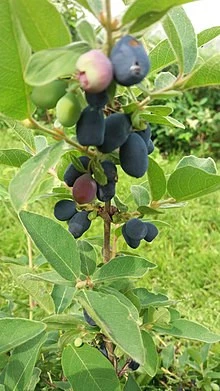
- Honeyberry — compact early-fruiting shrub
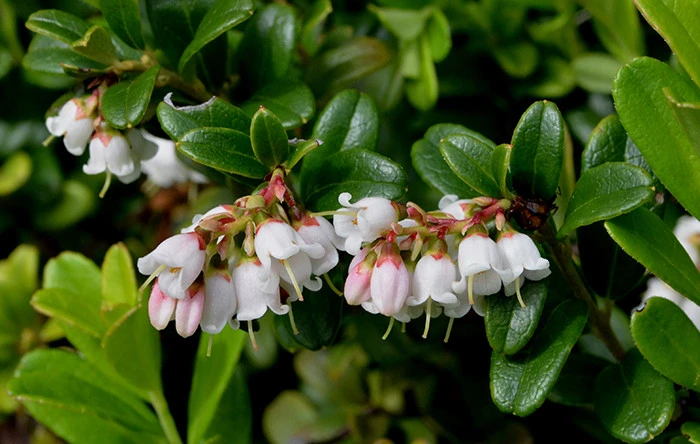
- Evergreen Huckleberry — evergreen berry shrub; slow-growing and easy to keep small
- Lingonberry — tiny evergreen berry shrub, ideal for containers
- Bog Blueberry — low berry shrub
- Woodland Strawberry — edible edging and groundcover
- Early Blue Violet — edible flowers and greens
- Miner's Lettuce — salad green
- Redwood Sorrel — lemony green for the shady corner
- Nodding Onion — edible bulb for flavor
These are the plants we'd reach for — mix, match, and add your own. See each plant's own page for full details, and the Planting Guide tab for how to lay the guild out.
Ecology & Design
In a small space every plant has to earn its spot. These plants share similar needs (moist, slightly acidic, well-drained soil and part sun), so they grow well together in one bed or a cluster of large pots. The groundcovers and greens fill every gap, keeping the soil covered and cool, and the shrubs give structure and year-round green.
Planting Guide: Small-Space Guild
Tip: Group the plants by light: berry shrubs in the sunniest spot, sorrel and violets in the shadiest corner.
Design & Layout
Back: Honeyberry and Evergreen Huckleberry along the back or sunniest side.
Middle: Lingonberry and Bog Blueberry in front of them.
Edge: Woodland Strawberry and Early Blue Violet along the front edge.
Gaps: Miner’s Lettuce, Redwood Sorrel, and Nodding Onion in the spaces between. Plan on about a 10 x 10 ft bed, or five to eight large containers.
Choosing a Site
Light: Part sun (4–6 hours) is ideal; Redwood Sorrel and violets take full shade.
Soil: Moist, well-drained, slightly acidic; for containers, use a potting mix with bark or peat-free compost.
Water: Regular; containers dry out quickly in summer.
Planting Steps
Plant the shrubs first, about 3–4 ft apart (or one per 15–20 gallon pot).
Fill in with the groundcovers and greens.
Water in and mulch.
Care & Establishment
Year one: Water regularly while everything roots in, even drought-tolerant plants.
Mulch: Mulch bare soil (leaf mold, wood chips) until the groundcovers close in.
Weeding: Keep weeds down the first season or two; after that the guild largely mulches itself.
Containers: Water often in hot weather and top-dress with compost each spring.
Guild Notes
Pollination: Honeyberry needs two different varieties nearby to set fruit.
Greens: Miner’s Lettuce reseeds itself; let a few plants go to seed each spring.