Oak Savanna Guild

Current Stock:
0
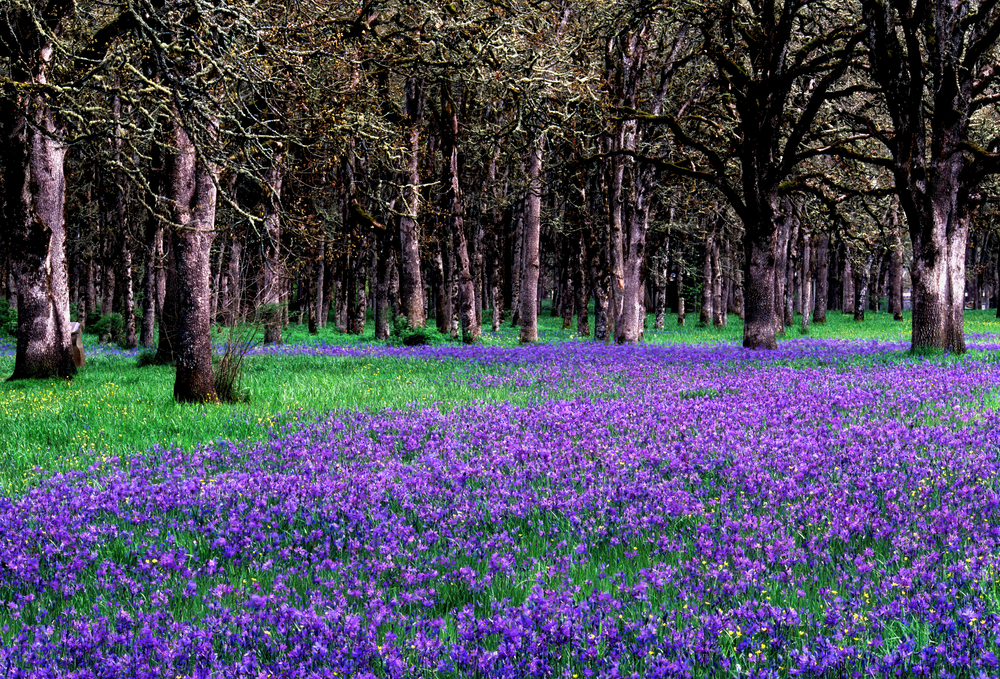
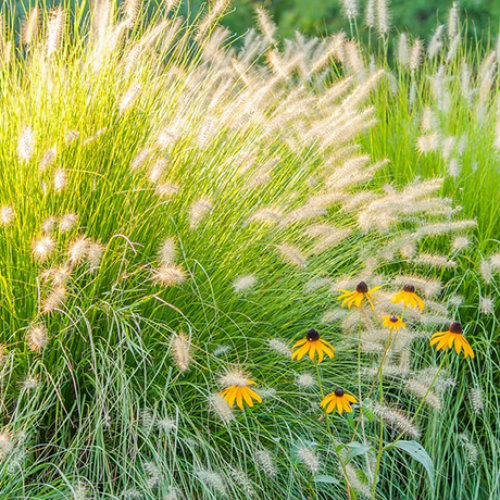
Example of a Native Plant Guild:
***For Reference Only - Not For Purchase***

Regrow a patch of one of North America's most endangered habitats — an edible oak savanna — in your own front yard.

What Is a Guild?

A guild is an idea borrowed from nature and from permaculture: a community of plants chosen to support one another. Instead of a lonely row of a single crop, a guild layers a central tree or shrub with companions that feed the soil, draw in pollinators, cover bare ground, and yield food — each sharing light, water, and nutrients the way a small patch of wild woodland or meadow does. Plant one, and you're not just gardening; you're starting a little ecosystem.

The Oak Savanna Guild

Less than one percent of the original oak savanna remains, yet it is one of the richest habitats for plants, animals, and people alike. This guild rebuilds a piece of it around the oak native to your area (we carry White Oak, Black Oak, and Canyon Live Oak), interweaving native bunchgrasses with a First-Food tapestry of camas, wild onions, and lilies. Replace a patch of tired lawn with these powerful allies.

Plants in This Guild

  • Oregon White Oak — centerpiece acorn tree (or Black / Canyon Live Oak)
  • Wild Rye — native bunchgrass grain
  • Slender Hairgrass — native bunchgrass
  • Indian Ricegrass — edible grain grass
  • Great Camas — edible corm — First Food
  • Common Camas — edible corm — First Food
  • Giant White Fawn Lily — oak-prairie wildflower
  • Harvest Brodiaea — edible corm
  • Tiger Lily — edible bulb wildflower
  • Chocolate Lily — edible corm (rice root)
  • Hooker's Onion — edible wild onion
  • Nodding Onion — edible wild onion
  • Fool's Onion — edible corm
  • Lupine (Broadleaf) — nitrogen-fixing companion — not for eating

These are the plants we'd reach for — mix, match, and add your own. See each plant's own page for full details, and the Planting Guide tab for how to lay the guild out.

Ecology & Design

Oak savanna is a cultural landscape: for millennia people tended it with fire and harvested acorns, camas, and lily corms from beneath the scattered oaks.1 Recreating even a small patch supports pollinators, songbirds, and rare wildflowers like the fawn lily, and pushes back — a little — against the near-total loss of this ecosystem.2 The oak anchors it; the grasses and corms fill the sunny openings between.

References

  1. Pojar, J. & MacKinnon, A., Plants of the Pacific Northwest Coast, 2014; Moerman, D., Native American Ethnobotany, 1998.
  2. Oak-prairie conservation assessments, Willamette Valley & Pacific Northwest (habitat loss estimates).

Planting Guide: Oak Savanna Guild

Tip: You're rebuilding a fire-tended prairie-with-trees: an oak in the open, bunchgrasses and corms in the sunny gaps, and a dry summer rest for the whole community.

Design & Layout

Center: Your local oak (White, Black, or Canyon Live), given room to spread.

Openings: Bunchgrasses (rye, hairgrass, ricegrass) in the sunny gaps.

Drifts: Camas, fawn lily, onions, and lily corms scattered between the grasses.

Plan on a 20-ft circle or larger — savanna wants space.

Choosing a Site

Light: Full sun to the oak's light shade.

Soil: Well-drained; moist in spring, dry in summer.

Water: Establish, then let it go summer-dry.

Planting Steps

Plant the oak first (from a tree-pot), then the grasses.

Add corms and bulbs in fall, in natural drifts among the grasses.

Water to establish; then mimic a prairie and withhold summer water.

Care & Establishment

Year one: Water deeply but infrequently to build deep roots; then wean off — these plants want a dry summer.

Mulch: Mulch bare soil (leaf mold, wood chips) until the groundcovers close in.

Weeding: Keep weeds down the first season or two; after that the guild largely mulches itself.

Patience: Trees, corms, and shrubs settle over a few seasons — the guild fills in and improves each year.

Guild Notes

Fire ecology: Historically kept open by burning; mowing or careful cutting can stand in.

Companion: Lupine feeds the soil (not edible).

Restoration: Even a small patch shelters pollinators, songbirds, and rare wildflowers like the fawn lily.