



Redwood Sorrel
- Current Stock:
- 0
- Other Names:
- Oregon Oxalis, Oregon Wood Sorrel, Wood-Sorrel
- Latin Name:
- Oxalis Oregana
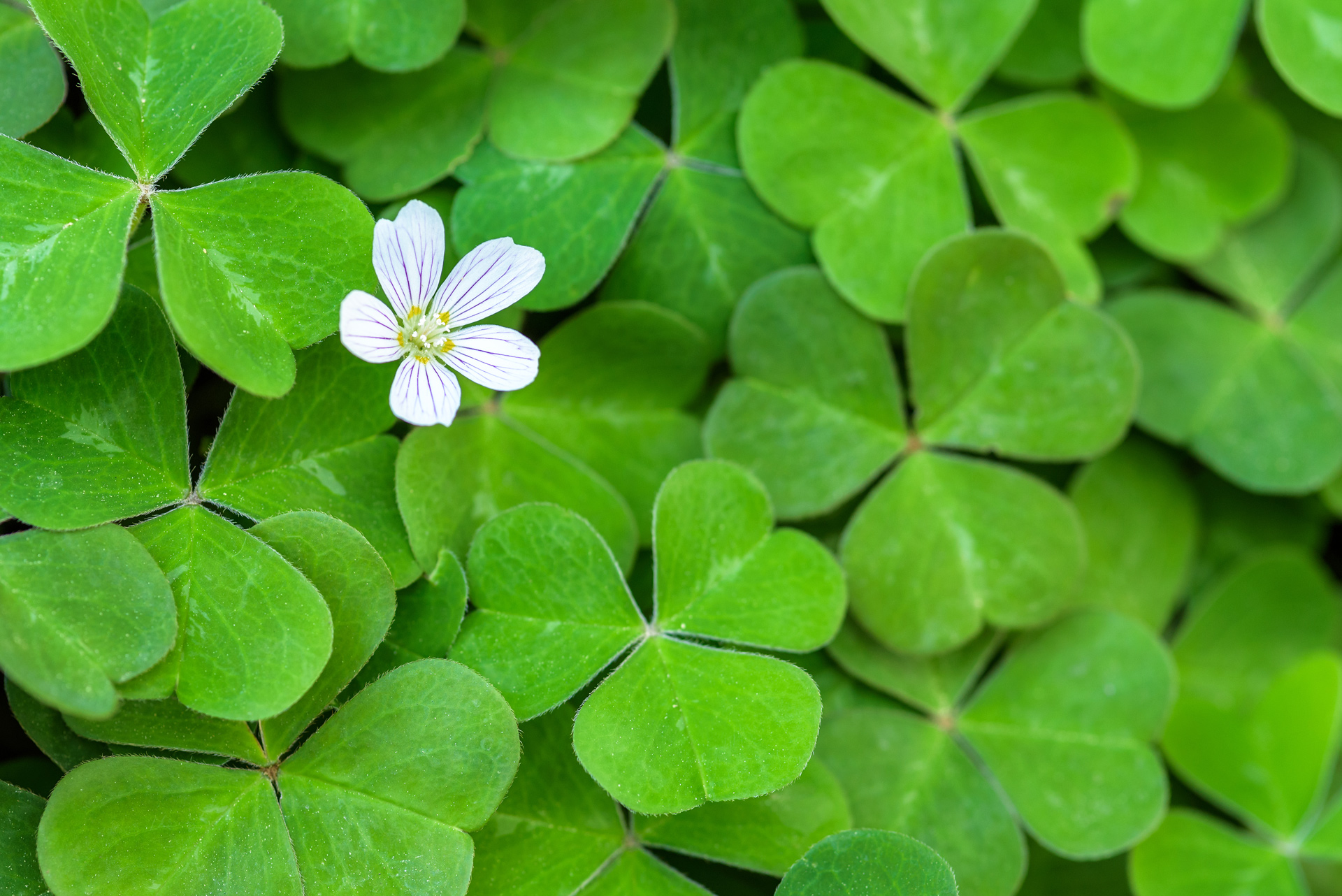
The Redwood Sorrel (Oxalis oregana) is the shamrock of the western rainforest — a lush evergreen groundcover whose clover-like leaves carpet the shaded forest floor and famously fold downward within minutes when direct sun strikes them.1
Edible & Medicinal Uses
Both the leaves and flowers are edible, raw or cooked, with a bright, tart, lemon-and-green-apple tang. Like spinach, sorrel is best enjoyed as a flavoring in modest amounts rather than by the bowlful, and cooking softens its sharpness. The sorrel is traditionally eaten with dried fish, and the whole plant used in washes for sore joints and inflammation.1, 4
Ornamental Qualities
As a shade groundcover, Redwood Sorrel is hard to beat: a dense, weed-suppressing evergreen mat 4–8 inches tall with fresh shamrock foliage and dainty white-to-pink spring blooms — a natural native alternative to vinca or ivy. It weaves beautifully around Lady Fern, Spreading Wood Fern, Licorice Fern, Salal, and the huckleberries.2
Environment & Culture
Ecology: Redwood Sorrel carpets the cool, moist Douglas-fir and coast-redwood forests of the Pacific coast, from southwestern British Columbia to northern California. So well adapted to shade that it photosynthesizes in as little as 1/200th of full sunlight, it protects its sensitive leaves from bright light by folding them (a movement called nyctinasty), and its spring flowers support native pollinators.1, 2
Culture: A familiar and well-loved forest plant, Redwood Sorrel appears in the food and medicine traditions of Northwest peoples. We offer it with respect for that knowledge and invite support for Indigenous-led restoration through our Charitable Giving page.4
In the Kitchen
Use it as you would French sorrel: scatter the bright, lemony leaves and flowers raw over a green salad or a plate of smoked fish, stir a handful into soups at the last minute, or blitz it into a tangy sorrel pesto. A little goes a long way — its citrusy zip is a garnish, not a bulk green.5 (Growing and harvest details are on the Planting Guide tab.)
Attributes
- Native Range: SW British Columbia to northern California (coastal)2
- USDA Zones: ~7–93
- Light: Partial to deep shade (direct sun folds/damages leaves)1
- Water: Moist; cool forest conditions2
- Soil: Humus-rich, moist, slightly acidic2
- Habit: Evergreen rhizomatous groundcover, 4–8 in1
- Bloom: White to pink-veined, spring2
- Edible: Leaves & flowers, tart — enjoy in moderation3
References
- USDA Forest Service, Plant of the Week: Oxalis oregana (Redwood Sorrel).
- Pojar, J. & MacKinnon, A., Plants of the Pacific Northwest Coast, 2014.
- Plants For A Future (PFAF) Database, Oxalis oregana.
- University of Washington Bothell plant profiles; Moerman, D., Native American Ethnobotany, 1998.
- "Wood Sorrel: An Edible & Medicinal Wild Plant," HealthyGreenSavvy.
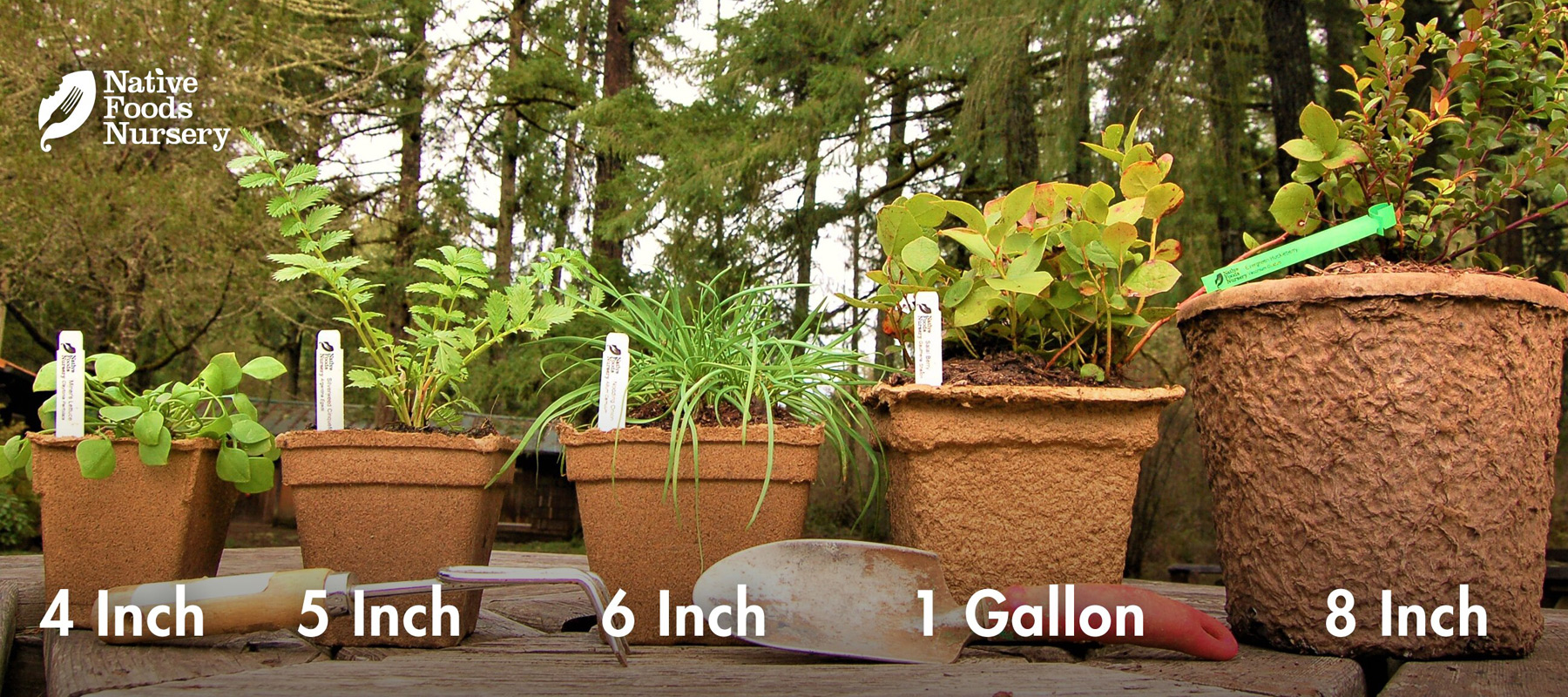
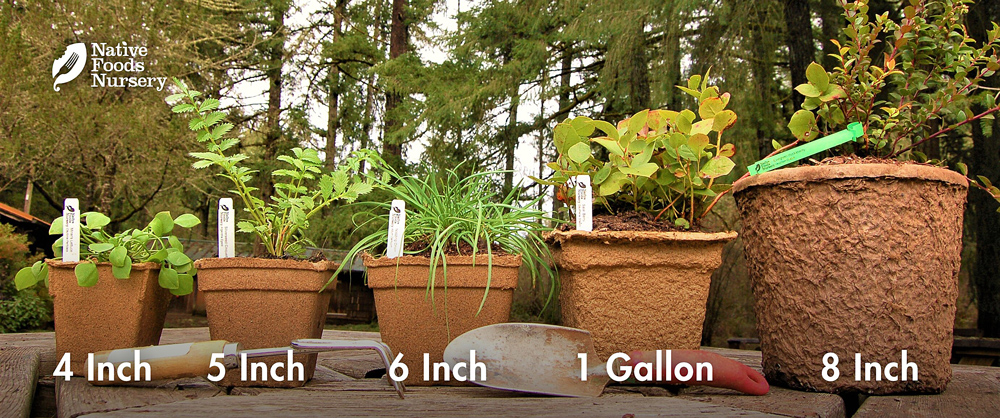
Pot Sizing Guide
Planting Guide: Redwood Sorrel (Oxalis oregana)
Tip: Use it as a living mulch under ferns, shrubs, and trees — its dense evergreen mat shades soil, suppresses weeds, and holds moisture where lawn and most groundcovers fail.
When Your Plant Arrives
Open the box promptly and lift your plant out gently, holding the pot rather than the stem. Leave it in its biodegradable eco-pot for now — the roots are settled and don’t need disturbing yet. Give it a slow, thorough drink until water runs through the bottom, then set it somewhere bright but sheltered, out of harsh afternoon sun, drying wind, and frost. Let it rest and acclimate there for a few days before planting, so the move from our greenhouse to your garden is a gentle one. If anything doesn’t look right, please contact customer service within 7 days of delivery and we’ll take care of you.
Choosing a Site
Light: Partial to deep shade — avoid direct sun, which scorches the leaves.
Soil: Cool, moist, humus-rich, slightly acidic.
Space: About 12 in; it carpets by rhizome.
Planting Steps
Plant in fall or spring; set crowns at soil level in compost-enriched ground.
If it came in a biodegradable eco-pot, plant it pot and all — the pot is pressed from composted cow manure, so it melts into the soil and gives the young roots their first feed. No need to remove it.
Water in and mulch lightly with leaf litter.
Watering & Care
Establishment: Keep consistently moist while establishing.
After establishment: Low-thirst in suitable shade; occasional summer water in dry spells.
Protection
Wildlife: Spring flowers support native pollinators; a butterfly-friendly groundcover.
Note: A native alternative to ivy for carpeting shade under trees.
Harvest Basics
Use: Pinch young leaves and flowers as needed, in small amounts, for a bright, tart, lemon-and-green-apple note in salads and drinks.
Safety: Like spinach and true sorrel, it is high in oxalic acid — enjoy it as a tart flavoring in moderation, not a bulk green (especially if you are prone to kidney stones).
