



Kids' Snacking Garden
- Current Stock:
- 0
- Example of a Native Plant Guild:
- ***For Reference Only - Not For Purchase***
A garden made for grazing: thornless berry bushes and strawberries along a stepping-stone path, with crunchy greens and edible flowers that kids can pick themselves.
What Is a Guild?
A guild is an idea borrowed from nature and from permaculture: a community of plants chosen to support one another. Instead of a lonely row of a single crop, a guild layers a central tree or shrub with companions that feed the soil, draw in pollinators, cover bare ground, and yield food — each sharing light, water, and nutrients the way a small patch of wild woodland or meadow does. Plant one, and you're not just gardening; you're starting a little ecosystem.
The Kids' Snacking Garden
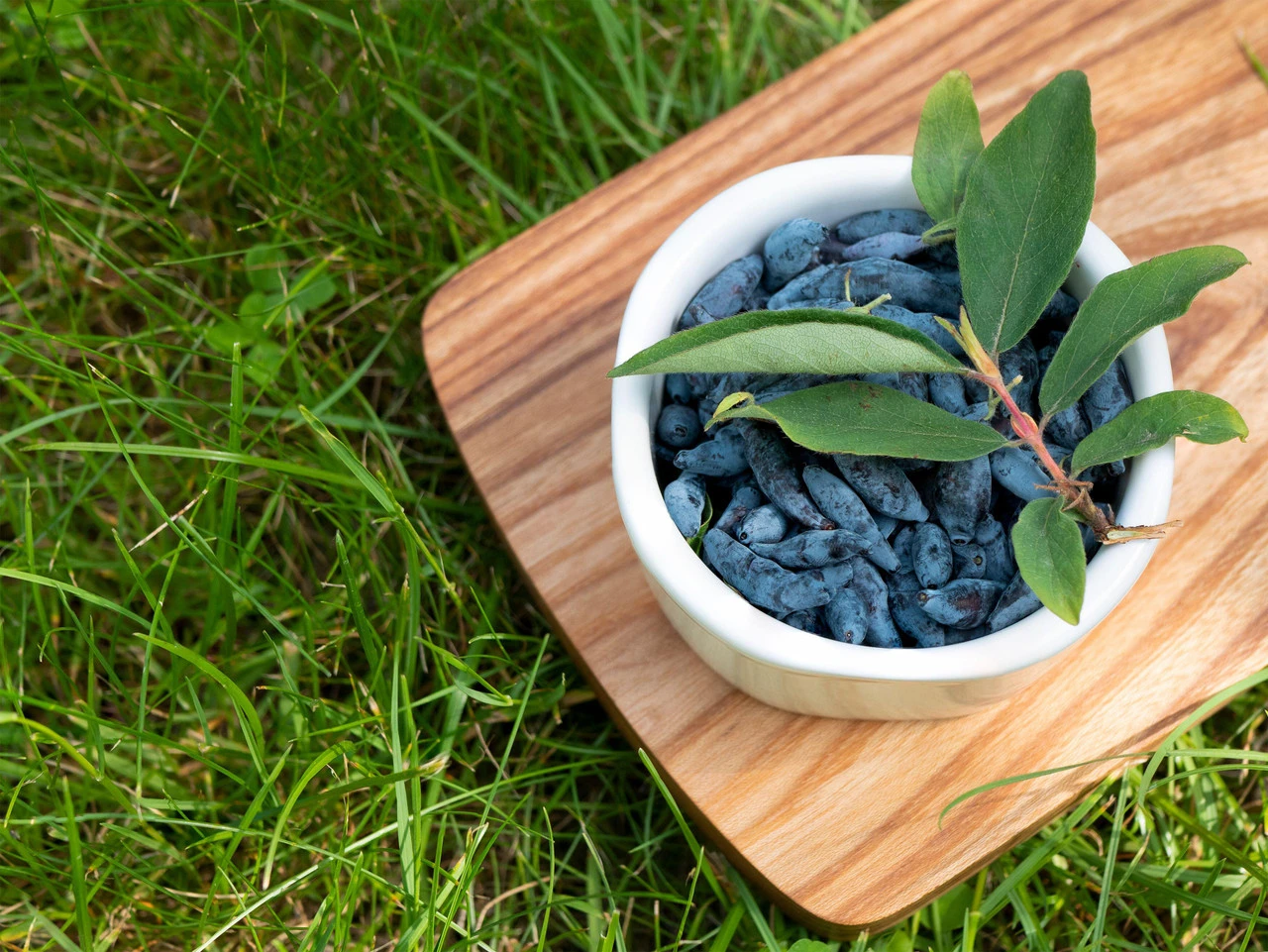
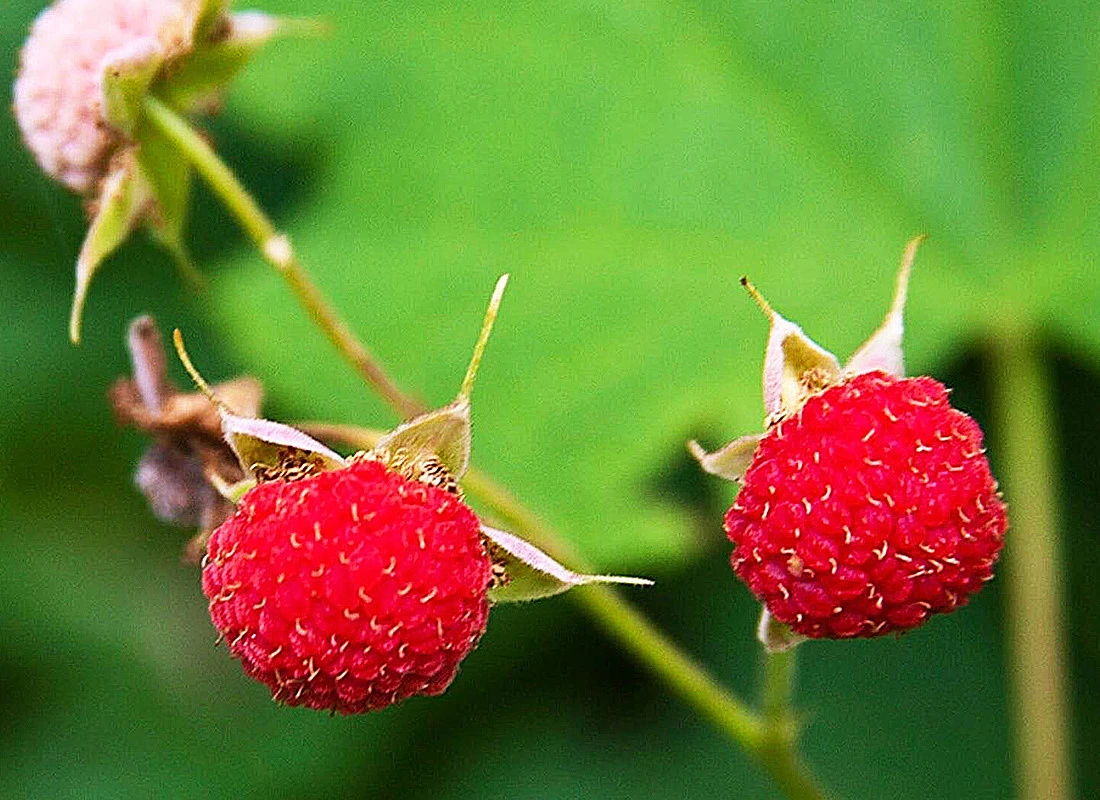
Every plant in this guild is safe to snack on, low enough to reach, and free of thorns. Honeyberries ripen first in late spring, then three kinds of strawberries, thimbleberries, and serviceberries carry the harvest through summer. Miner's lettuce, violets, and mild nodding onion add things to nibble in between. A path of stepping stones runs through the middle so small feet can reach everything without trampling it. It's a great fit for families, schools, and daycares.
Plants in This Guild
- Honeyberry — plant two varieties together; the first berries of the year
- Saskatoon Serviceberry — sweet summer berries; keep it pruned to kid height
- Thimbleberry — soft, thornless red berries
- Woodland Strawberry — tiny sweet strawberries for the shadier side of the path
- Coastal Strawberry — strawberries for the sunny side of the path
- Mountain Strawberry — strawberries for the sunny front edge
- Miner's Lettuce — crunchy salad leaves
- Early Blue Violet — edible flowers and leaves
- Nodding Onion — mild onion to nibble
These are the plants we'd reach for — mix, match, and add your own. See each plant's own page for full details, and the Planting Guide tab for how to lay the guild out.
Printable Planting Plan
Want the layout on paper? Download and print the Kids' Snacking Garden planting plan (PDF). It is one letter-size page with the bird's-eye layout, side view, and plant key, so you can keep it handy at planting time.
Ecology & Design
Kids eat what they grow. A bed where something is always ripe — from honeyberries in May to serviceberries in July — keeps them coming back. We left out anything that has to be cooked first (like elderberry) or that isn't for eating (like lupine), and chose thornless berries over prickly ones. The groundcovers fill every gap, so there's little weeding, and pollinators visit all season.
Planting Guide: Kids' Snacking Garden
Tip: Lay the stepping stones first, then plant so every plant can be reached from the path.
Design & Layout

Back: Saskatoon Serviceberry, two Honeyberries, and Thimbleberry along the back or north side.
Path: Stepping stones down the middle, with Woodland Strawberry on the shady side and Coastal Strawberry on the sunny side.
Corners: Miner's Lettuce and Early Blue Violet in the shadier corners, and Nodding Onion in a sunny spot.
Front: Mountain Strawberry along the sunny front edge. Plan on a bed about 12 x 10 ft.
Choosing a Site
Light: Full sun to part shade; the berry shrubs fruit best with at least 6 hours of sun.
Soil: Moist, well-drained garden soil with plenty of compost.
Water: Regular water through the growing season.
Planting Steps
Set the stepping stones, then plant the shrubs along the back in fall or spring.
Plant the strawberries along both sides of the path and the greens and flowers in the corners.
Water in and mulch around the shrubs. Let the kids help plant their own spot.
Care & Establishment
Year one: Water regularly and pick off the first strawberry flowers so the plants put down roots.
Pruning: Prune the serviceberry and honeyberries lightly each winter to keep the fruit low enough to reach.
Weeding: The strawberries spread to cover the ground; just keep them from swallowing the path.
Patience: Strawberries and greens give snacks the first year; the berry shrubs start in two or three.
Guild Notes
Honeyberry: Plant two different varieties; one alone sets little fruit.
Safety: Teach kids to eat only from their own garden, never from wild plants they find.
Sharing: Birds love these berries too. A little netting at ripening time saves some for the kids.
