



Oso Berry
- Current Stock:
- 0
- Other Names:
- Indian Plum, Oregon Plum, Bird Cherry, Osoberry
- Latin Name:
- Oemleria cerasiformis
The Oso Berry (Oemleria cerasiformis), also called Indian Plum, is the herald of the Pacific Northwest spring — the first native shrub to leaf out and bloom, hanging clusters of almond-scented, greenish-white flowers over fresh green foliage while the rest of the woods are still bare.2, 4
Edible & Medicinal Uses
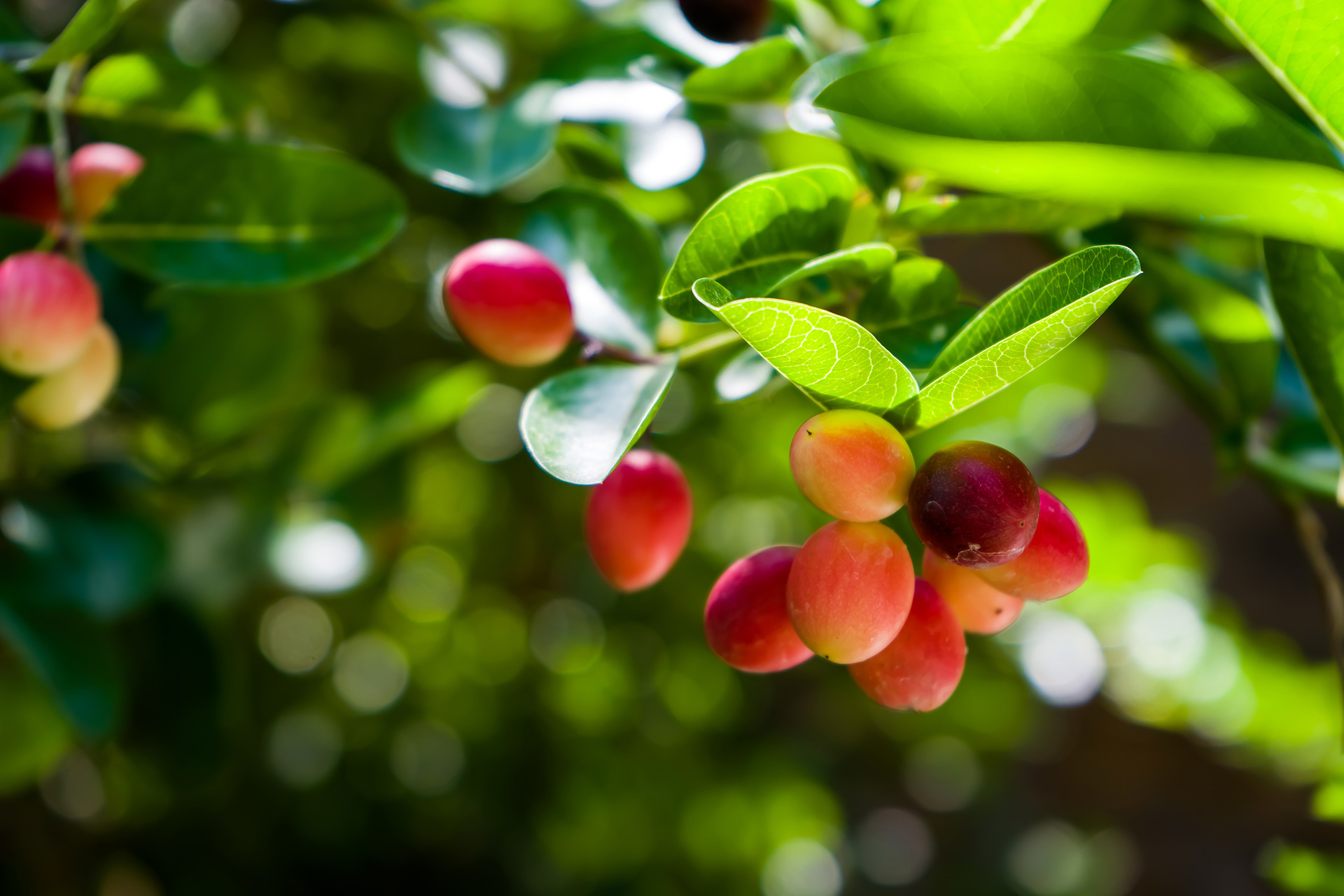
Oso Berry's small, plum-shaped fruits ripen from green through salmon to blue-black by early summer. They are bitter and astringent until fully ripe, at which point they turn sweet with a flavor between cherry and cucumber. Like other members of the cherry family they contain trace hydrogen cyanide, so enjoy them ripe and in modest amounts — fresh off the shrub, or cooked and sweetened. The berries are eaten fresh, dried, or cooked, and the young leaves carry a curious cucumber taste.1, 5
Ornamental Qualities
Valued above all for its very early bloom, Oso Berry lights up the late-winter garden with fragrant white flower clusters, followed by colorful ripening fruit and clear yellow fall color. An upright, gracefully suckering shrub 8–15 ft tall, it's ideal for hedgerows, woodland edges, and wild plantings, and pairs well with Salmonberry, Thimbleberry, Golden Currant, and other native shrubs.1
Environment & Culture
Ecology: Native from southwestern British Columbia to central California on the west side of the Cascades and Sierra, Oso Berry grows in moist to dry forests, edges, streambanks, and slopes. As the earliest bloomer, it is a vital first nectar source for hummingbirds, native bees, and butterflies, and its fruit feeds many birds and mammals — including the bears that give it its name (oso is Spanish for bear). It is dioecious, so a nearby male plant is needed for females to fruit.1, 4
Culture: Many Coast Salish groups eat the berries fresh, dried, or cooked, chew the twigs as a mild medicine, and use the bark as a gentle laxative. We offer it with respect for that knowledge and invite support for Indigenous-led restoration through our Charitable Giving page.4
In the Kitchen
Wait for the berries to go fully blue-black and soft, then eat them fresh for a sweet cherry-cucumber snack, or gather enough to cook down — a little sugar and lemon turns them into a woodland jelly or a sauce for game. The cucumber-scented young leaves are a fun spring nibble. (Growing and harvest details are on the Planting Guide tab.)
Attributes
- Native Range: SW British Columbia to central California; west of the Cascades/Sierra1
- USDA Zones: ~6–93
- Light: Full sun to part shade1
- Water: Moist to dry; adaptable1
- Soil: Most soils; tolerates poor and disturbed ground4
- Habit: Deciduous suckering shrub, 8–15 ft1
- Bloom: White, very early (Feb–Mar) — first native shrub to flower1
- Pollination: Dioecious — plant a male nearby for fruit4
- Edible: Ripe fruit (sweet when blue-black); enjoy in moderation1
References
- Missouri Botanical Garden Plant Finder; Oregon State University Landscape Plants, Oemleria cerasiformis.
- Pojar, J. & MacKinnon, A., Plants of the Pacific Northwest Coast, 2014.
- USDA PLANTS Database, Oemleria cerasiformis.
- Washington Native Plant Society, Oemleria cerasiformis; USDA NRCS Plant Fact Sheet.
- Native Plants PNW, "Indian Plum, Oemleria cerasiformis."
Pot Sizing Guide
Planting Guide: Oso Berry (Oemleria cerasiformis)
Tip: Plant it at a woodland edge or in a hedgerow for the earliest flowers of the year — and remember it needs a male nearby if you want the females to fruit.
When Your Plant Arrives
Open the box promptly and lift your plant out gently, holding the pot rather than the stem. Leave it in its biodegradable eco-pot for now — the roots are settled and don’t need disturbing yet. Give it a slow, thorough drink until water runs through the bottom, then set it somewhere bright but sheltered, out of harsh afternoon sun, drying wind, and frost. Let it rest and acclimate there for a few days before planting, so the move from our greenhouse to your garden is a gentle one. If anything doesn’t look right, please contact customer service within 7 days of delivery and we’ll take care of you.
Choosing a Site
Light: Full sun to part shade (fruits best with some sun).
Soil: Adaptable — most soils, moist to dry, including disturbed ground.
Space: 6–10 ft apart; it suckers into a loose thicket.
Pollination: Oso berry is dioecious — male and female flowers grow on separate plants, so you need at least one of each nearby for berries. Plant a small group to be sure of fruit.
Planting Steps
Plant in fall through early spring while dormant.
If it came in a biodegradable eco-pot, plant it pot and all — the pot is pressed from composted cow manure, so it melts into the soil and gives the young roots their first feed. No need to remove it.
Dig a hole as wide as the roots, set at the depth it grew, backfill, firm, and water in; mulch.
Watering & Care
Establishment: Water through the first dry season or two.
After establishment: Drought-tolerant and low-care; adaptable to moist or dry sites.
Maintenance: Thin or renew the oldest stems in winter; edge to keep the thicket in bounds.
Protection
Deer: Browsed but resilient.
Wildlife: Its late-winter bloom is the very earliest nectar for returning hummingbirds and bees; the fruit feeds many birds and mammals.
Companions: Salmonberry, thimbleberry, and other moist-woodland-edge natives.
Harvest Basics
Season: Pick when fully blue-black and soft (early summer); green-to-salmon fruit is bitter and astringent, so wait for full ripeness.
Use: Sweet (with a faint almond note) fresh in moderation, or cooked into jelly and sauce.
