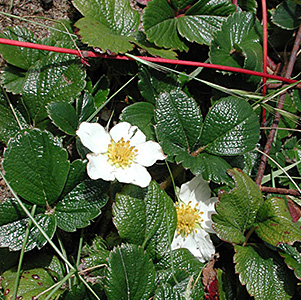
The Coastal Strawberry (Fragaria chiloensis), also called Beach Strawberry, is a tough, glossy, evergreen groundcover of Pacific dunes and bluffs — and one of the two wild strawberries that were crossed to create every modern garden strawberry.2, 4
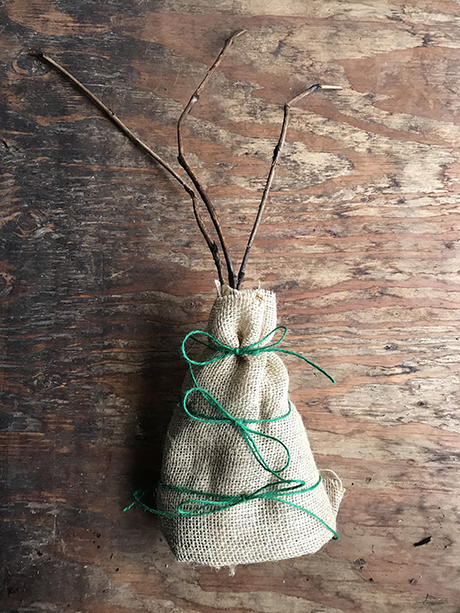
Offered as a bundle of 3 bare-root plants — see the Planting Guide tab for bare-root handling.
NOTE: Bare-root plants arrive dormant (no leaves) and without soil.
Edible & Medicinal Uses
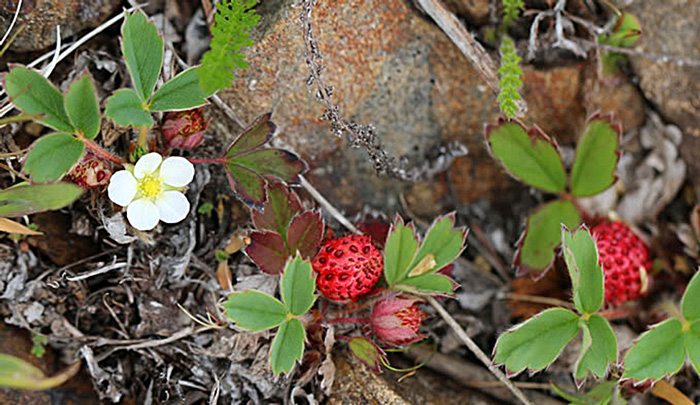
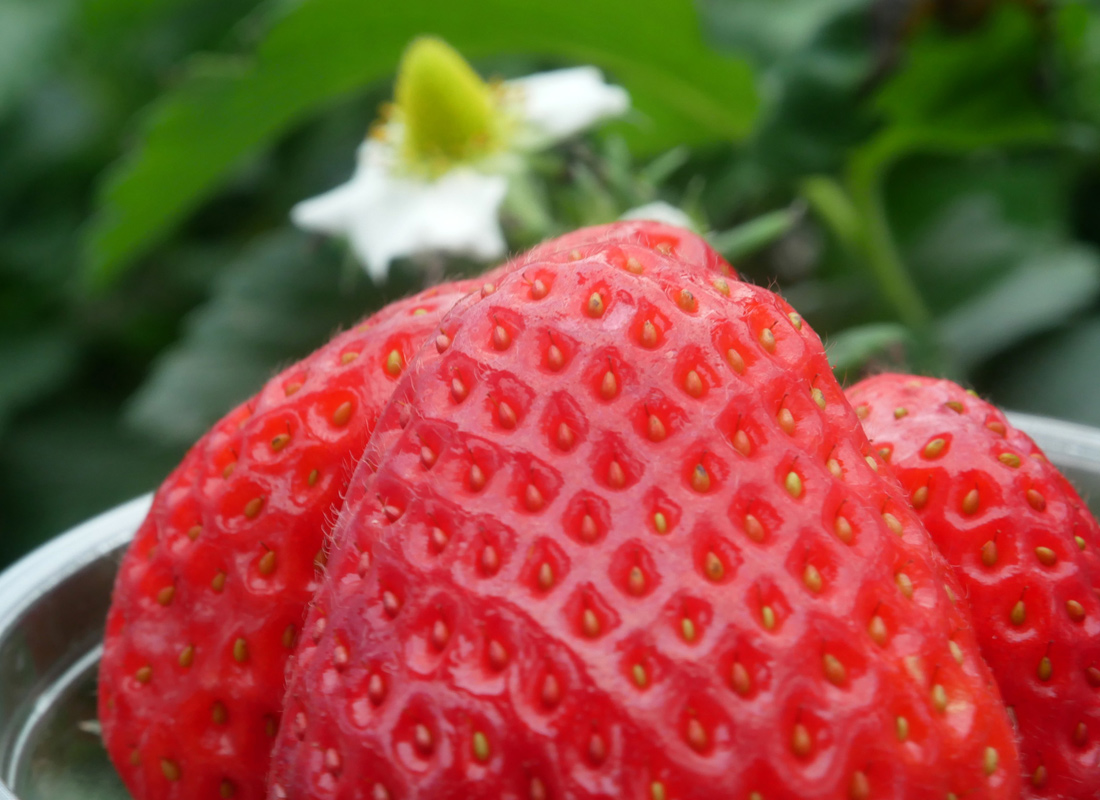
Its small red berries are intensely, true-strawberry sweet — smaller than a supermarket berry but far more flavorful. Delicious eaten fresh by the handful, they also make exceptional jam and a fragrant addition to shortcakes and salads. The leaves make a pleasant, mild tea. The wild berries are gathered as a seasonal treat.1, 4
Ornamental Qualities
A standout evergreen groundcover, Coastal Strawberry forms a dense mat of thick, deep-green, glossy trifoliate leaves, spangled with white spring flowers and red runners, spreading readily to bind sandy or difficult soil. It's superb for erosion control, path edges, and the front of a bed, and beautiful woven among Woodland Strawberry and low natives.4
Environment & Culture
Ecology: Native to Pacific coastlines of North and South America, Coastal Strawberry grows on beaches, dunes, and coastal bluffs, exceptionally tolerant of sand, salt spray, and wind. Its flowers feed pollinators and its fruit feeds birds and small mammals, while its running mats stabilize fragile coastal soils.1, 2
Culture: Wild strawberries have been enjoyed as a seasonal food across the Northwest for generations, and F. chiloensis holds a special place as a wild parent of the cultivated strawberry. We offer it with respect for that knowledge and invite support for Indigenous-led restoration through our Charitable Giving page.4
In the Kitchen
Eat the little berries sun-warm and fresh — their concentrated flavor outshines any store berry. Gather extra for a jewel-bright jam, fold them into shortcake, or scatter them over a salad; the leaves make a gentle herbal tea. A handful goes a long way on flavor. (Growing and harvest details are on the Planting Guide tab.)
Attributes
- Native Range: Pacific coasts of N. & S. America (beaches, dunes, bluffs)1
- USDA Zones: ~4–93
- Light: Full sun to part shade4
- Water: Low; drought- and salt-tolerant once established4
- Soil: Sandy to average, well-drained4
- Habit: Evergreen groundcover; spreads by runners4
- Bloom: White, spring–early summer4
- Edible: Small, intensely sweet berries; leaves for tea4
References
- Wikipedia / WNPS, Fragaria chiloensis.
- Pojar, J. & MacKinnon, A., Plants of the Pacific Northwest Coast, 2014.
- USDA PLANTS Database, Fragaria chiloensis.
- Portland Nursery; Woodbrook Native Plant Nursery, Fragaria chiloensis.