

Red Elderberry
- Current Stock:
- 0
- Other Names:
- Pacific Red Elder, Coast Red Elderberry, Red-berried Elder, Scarlet Elder
- Latin Name:
- Sambucus racemosa
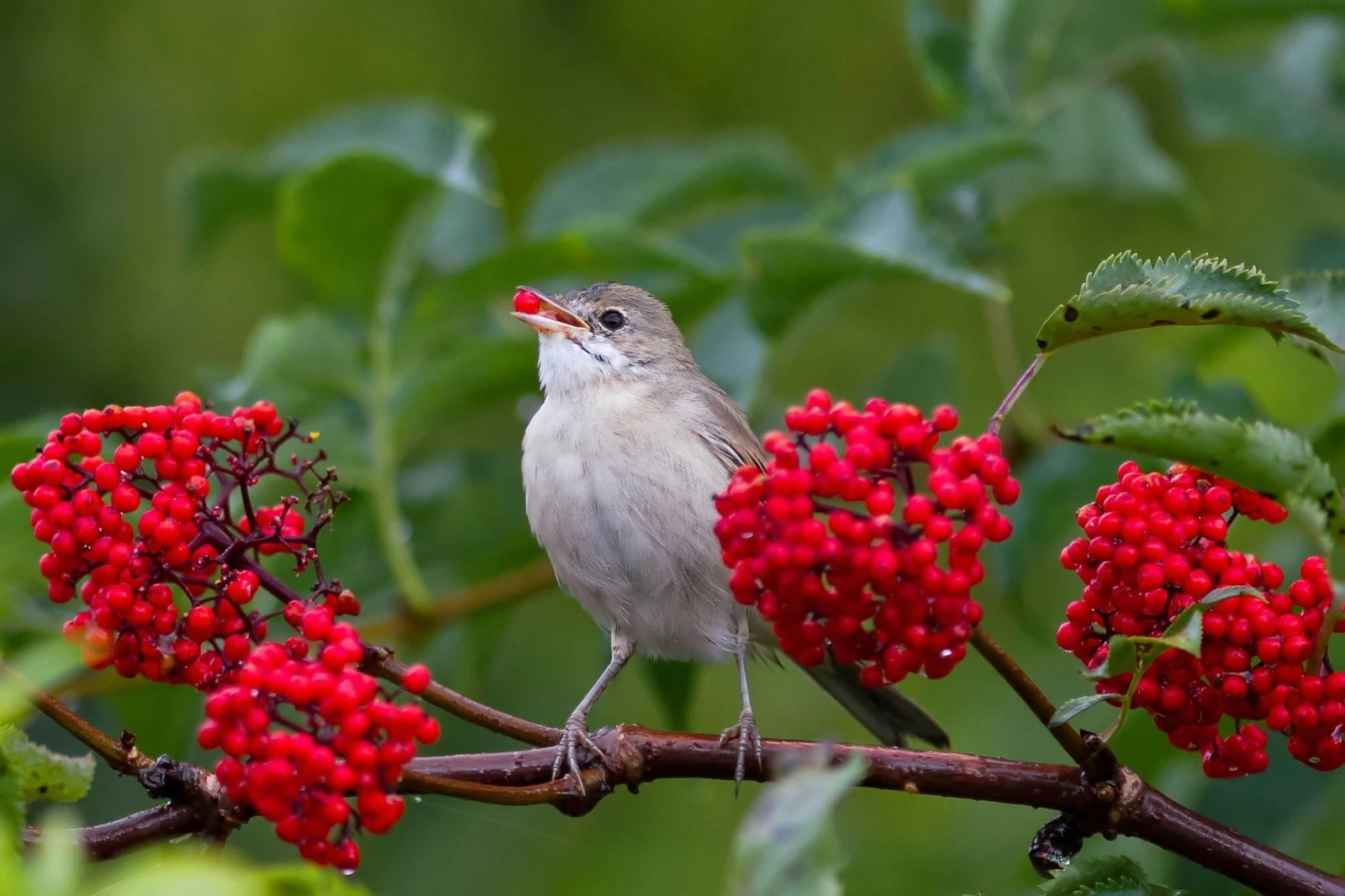
The Red Elderberry (Sambucus racemosa) is a lush, fast-growing native shrub of moist woods and streambanks, among the first to leaf out in late winter, crowned in spring with domed clusters of creamy, fragrant flowers and, by early summer, brilliant scarlet berries that light up the forest edge and draw birds from all around.1, 2
Edible & Medicinal Uses
Red Elderberry is a plant to grow for beauty and wildlife first, and to treat with real respect in the kitchen. The berries were a traditional food for Indigenous peoples of the Northwest Coast, who always cooked them — often steaming and drying them into cakes — and took care not to eat the seeds. The raw berries, seeds, leaves, bark, stems, and roots are toxic (they contain cyanide-forming compounds) and can cause nausea, vomiting, and worse, and red elderberry is considered more toxic than its blue and black cousins. For home cooks, we recommend the Blue or Black Elderberry for syrups and preserves, and enjoying the Red Elderberry for its flowers, color, and the birds it feeds.2, 3, 4
Ornamental Qualities
Red Elderberry forms an upright to arching, multi-stemmed shrub 6–20 ft tall, with bold, divided leaves, pyramid-shaped heads of creamy-white spring flowers, and heavy clusters of glossy red fruit in early to midsummer. It’s a quick, forgiving choice for a shady woodland edge, streamside planting, or wildlife hedgerow, and pairs beautifully with Salmonberry, Thimbleberry, and the native currants.1
Environment & Culture
Ecology: Found from Alaska to California and across much of northern North America, Red Elderberry grows in moist forests, clearings, streambanks, and disturbed ground, from the coast into the mountains. Its early flowers feed bees and other pollinators, and its summer berries are eagerly taken by thrushes, waxwings, band-tailed pigeons, and many other birds and mammals.1, 2
Culture: Red elderberry has been gathered and tended by Indigenous peoples of the Pacific Coast for countless generations as a food, medicine, and material plant, with the hollow stems used for whistles, pipes, and tools — knowledge that continues today. We offer it with respect for that living knowledge and invite support for Indigenous-led restoration through our Charitable Giving page.3
In the Garden
Give it a moist spot in partial shade and stand back — it grows quickly, fills a gap within a few seasons, and regrows readily after pruning. It shines as an early-season green-up shrub, a screen under tall conifers, or the berry layer of a bird-friendly planting. (Growing and care details are on the Planting Guide tab.)
Attributes
- Native Range: Alaska to California and across northern North America; moist woods, streambanks, clearings1
- USDA Zones: ~3–82
- Light: Partial shade to full sun (with moisture)2
- Water: Moderate to moist; best with steady moisture2
- Soil: Rich, moist, well-drained; adaptable2
- Habit: Fast, upright to arching shrub, 6–20 ft1
- Edible: Caution — raw berries, seeds, and all green parts are toxic; traditionally eaten only cooked3, 4
References
- Pojar, J. & MacKinnon, A., Plants of the Pacific Northwest Coast, 2014.
- USDA NRCS, Plant Guide: Red Elderberry, Sambucus racemosa.
- Turner, N., Food Plants of Coastal First Peoples, Royal BC Museum.
- "Play It Safe When Preserving Elderberries," OSU Extension (EM 9446).
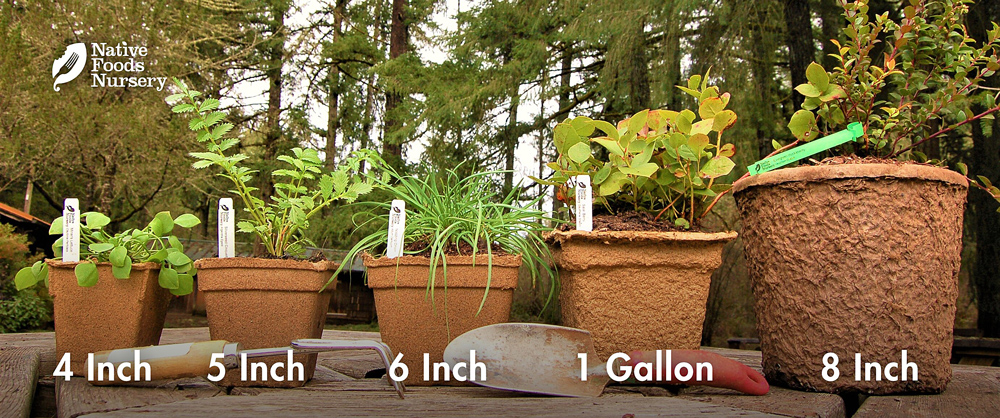
Pot Sizing Guide
Planting Guide: Red Elderberry (Sambucus racemosa)
Tip: Give it moisture and a little shade and it grows fast into a lush, bird-filled shrub — and remember the golden rule: never eat the berries raw, and never eat the seeds or any green part.
When Your Plant Arrives
Open the box promptly and lift your plant out gently, holding the pot rather than the stem. Leave it in its pot for now — the roots are settled and don’t need disturbing yet. Give it a slow, thorough drink until water runs through the bottom, then set it somewhere bright but sheltered, out of harsh afternoon sun, drying wind, and frost. Let it rest and acclimate there for a few days before planting, so the move from our greenhouse to your garden is a gentle one. If anything doesn’t look right, please contact customer service within 7 days of delivery and we’ll take care of you.
Choosing a Site
Light: Partial shade to full sun (more sun needs more water).
Soil: Rich, moist, well-drained; adaptable.
Space: 6–10 ft apart — it grows into a large, multi-stemmed shrub.
Planting Steps
Plant in fall or spring while dormant.
If it came in a biodegradable eco-pot, plant it pot and all — the pot is pressed from composted cow manure, so it melts into the soil and gives the young roots their first feed. No need to remove it. If it came in a plastic pot, slide it out gently and loosen any circling roots.
Set at the depth it grew, backfill with compost, firm, water in, and mulch.
Watering & Care
Establishment: Water regularly through the first season.
After establishment: Moderate water; happiest with steady moisture and may drop leaves early in hot, dry summers.
Pruning: Remove a portion of the oldest canes each late winter to keep it full and vigorous; it regrows readily.
Protection
Deer: Sometimes browsed.
Wildlife: Early flowers feed pollinators, and the red berries are a summer feast for many birds.
Safety (important): Raw berries, seeds, leaves, bark, stems, and roots are toxic. Never eat any green part or raw berries, and keep children and pets from snacking on the fruit.
Harvest Basics
Season: Flowers in spring; berries ripen bright red in early to midsummer.
Prep (essential): Red elderberry is more toxic than blue or black elderberry. Traditionally the berries were only eaten well cooked, with the seeds removed. For syrups and preserves we recommend Blue or Black Elderberry instead.
