Wild Greens Guild

Current Stock:
0
Example of a Native Plant Guild:
***For Reference Only - Not For Purchase***

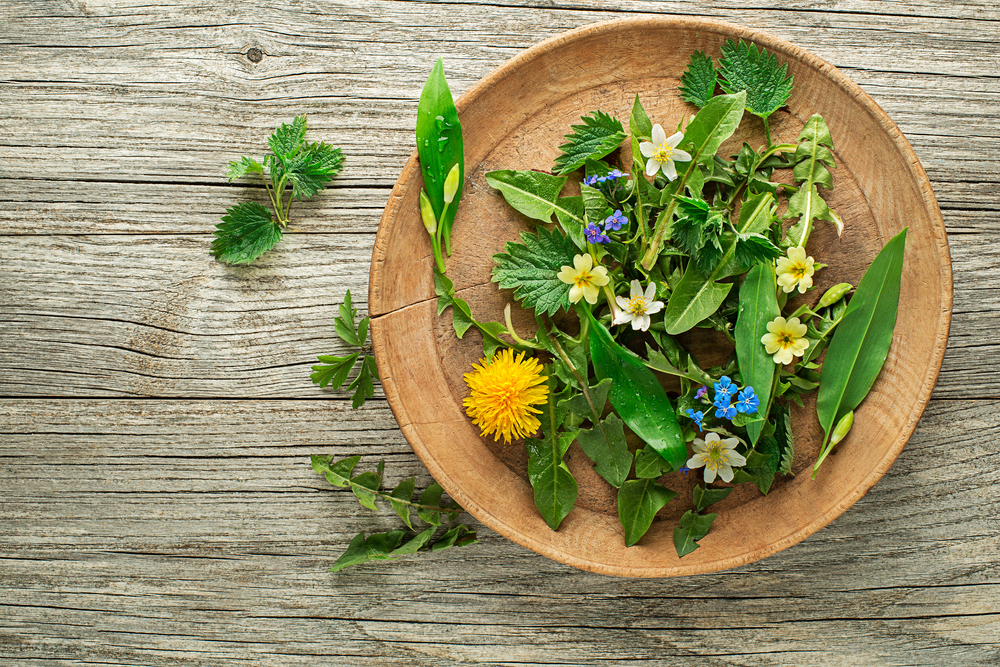
A salad bar and potherb patch of native greens — flavor and nutrition you can't buy at the store.

What Is a Guild?

A guild is an idea borrowed from nature and from permaculture: a community of plants chosen to support one another. Instead of a lonely row of a single crop, a guild layers a central tree or shrub with companions that feed the soil, draw in pollinators, cover bare ground, and yield food — each sharing light, water, and nutrients the way a small patch of wild woodland or meadow does. Plant one, and you're not just gardening; you're starting a little ecosystem.

The Wild Greens Guild

Bring new native flavors to your salad bowl and skillet: the crisp succulence of Miner's Lettuce, the lemon tang of Redwood Sorrel, a side of steamed Nettle or sauteed Fiddlehead Ferns. This guild is all leaves and shoots — eat your (wild) vegetables!

Plants in This Guild

  • Miner's Lettuce — crisp salad green
  • Redwood Sorrel — tangy woodland green
  • Common Nettle — cooked green (a nutrient powerhouse)
  • Fiddlehead Fern — spring fern shoots
  • Western Dock — lemony potherb
  • American Speedwell — mild salad green
  • Pacific Waterleaf — wildflower green
  • Dwarf Checkerbloom — edible mallow leaves
  • Early Blue Violet — edible leaves & flowers
  • Oregon Stonecrop — succulent nibble
  • Springbank Clover — nitrogen-fixing edible root & green

These are the plants we'd reach for — mix, match, and add your own. See each plant's own page for full details, and the Planting Guide tab for how to lay the guild out.

Ecology & Design

Wild greens tend to be richer in minerals and flavor than their supermarket cousins, and they come in waves — nettle and fiddleheads in early spring, sorrel and miner's lettuce through the cool months, dock and violet in between. Springbank clover doubles as a nitrogen-fixer, quietly feeding the bed it grows in.1

References

  1. USDA NRCS Plant Guides (nitrogen-fixing natives: Ceanothus, Shepherdia, Lupinus, Trifolium).

Planting Guide: Wild Greens Guild

Tip: This is a cut-and-come-again patch — site it where you'll actually walk past and pick, and keep it evenly moist for tender leaves.

Design & Layout

Shade side: Fiddleheads, sorrel, waterleaf, miner's lettuce.

Sun/damp side: Nettle, dock, speedwell, clover.

Groundcover mat: Violet and stonecrop fill the gaps.

Plan on roughly a 15-ft circle.

Choosing a Site

Light: Part shade is ideal (keeps greens tender); some tolerate sun.

Soil: Rich, moisture-holding.

Water: Keep evenly moist for the best leaves.

Planting Steps

Plant in spring or fall; group by light and moisture needs.

Mulch to hold moisture; leave room to harvest.

Wear gloves when siting the nettle.

Care & Establishment

Year one: Water regularly while everything roots in, even drought-tolerant plants.

Mulch: Mulch bare soil (leaf mold, wood chips) until the groundcovers close in.

Weeding: Keep weeds down the first season or two; after that the guild largely mulches itself.

Patience: Trees, corms, and shrubs settle over a few seasons — the guild fills in and improves each year.

Guild Notes

Nettle: Handle with gloves; cooking or drying removes the sting.

Cut-and-come-again: Harvest outer leaves and shoots; the patch keeps producing.

Clover: Fixes nitrogen and feeds the whole bed.