Shade Garden Guild

Current Stock:
0
Example of a Native Plant Guild:
***For Reference Only - Not For Purchase***

Already have shade trees? Turn that cool, dim ground into an edible woodland floor.

What Is a Guild?

A guild is an idea borrowed from nature and from permaculture: a community of plants chosen to support one another. Instead of a lonely row of a single crop, a guild layers a central tree or shrub with companions that feed the soil, draw in pollinators, cover bare ground, and yield food — each sharing light, water, and nutrients the way a small patch of wild woodland or meadow does. Plant one, and you're not just gardening; you're starting a little ecosystem.

The Shade Garden Guild

This guild is designed to tuck beneath existing shade trees. It leads with three shade-tolerant berries, adds an assortment of woodland greens and groundcovers, and finishes with the companion nitrogen-fixer Redstem Ceanothus, a native shrub that carries beautiful white spring flower sprays.

Plants in This Guild

  • Evergreen Huckleberry — shade berry shrub
  • Golden Currant — berry shrub
  • Salal Berry — evergreen berry groundcover
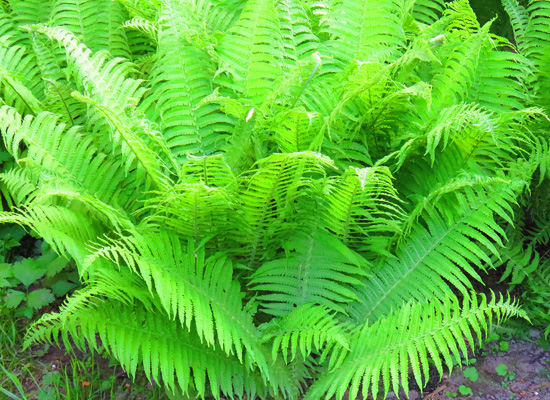
  • Lady Fern — edible fiddlehead fern
  • Fiddlehead Fern — edible fern
  • Licorice Fern — sweet-rhizome woodland fern
  • Woodland Strawberry — fruiting groundcover
  • Redwood Sorrel — tangy woodland green
  • Miner's Lettuce — salad green
  • Redstem Ceanothus — nitrogen-fixing companion shrub

These are the plants we'd reach for — mix, match, and add your own. See each plant's own page for full details, and the Planting Guide tab for how to lay the guild out.

Ecology & Design

Shade is an opportunity, not a problem: these are plants of the forest floor, happiest in filtered light and leafy, moisture-holding soil. The huckleberry and salal give evergreen structure, the ferns and sorrel bring that lush woodland feel (and the licorice fern a sweet surprise underfoot), and the ceanothus fixes nitrogen while lighting up spring.1

References

  1. USDA NRCS Plant Guides (nitrogen-fixing natives: Ceanothus, Shepherdia, Lupinus, Trifolium).

Planting Guide: Shade Garden Guild

Tip: This guild goes under existing trees — work with the shade and the leafy, moisture-holding soil beneath them.

Design & Layout

Under the canopy: Shade berries (huckleberry, salal) and ferns closest in.

Dappled edge: Currant and strawberry where a little more light reaches.

Companion: Redstem Ceanothus at a brighter edge to fix nitrogen.

Plan on roughly a 15-ft circle.

Choosing a Site

Light: Part to full shade.

Soil: Humus-rich, moisture-holding, slightly acidic (leaf mold is ideal).

Water: Moderate; keep evenly moist.

Planting Steps

Plant in fall or spring into leafy, amended soil.

Set berries and ferns first, then groundcovers and greens.

Mulch with leaf litter to mimic the forest floor.

Care & Establishment

Year one: Water regularly while everything roots in, even drought-tolerant plants.

Mulch: Mulch bare soil (leaf mold, wood chips) until the groundcovers close in.

Weeding: Keep weeds down the first season or two; after that the guild largely mulches itself.

Patience: Trees, corms, and shrubs settle over a few seasons — the guild fills in and improves each year.

Guild Notes

Licorice Fern: Loves a mossy log or shaded rock — and goes summer-dormant, which is normal.

Companion: Ceanothus fixes nitrogen and lights up spring.