


Pacific Silverweed
- Current Stock:
- 0
- Other Names:
- Silverweed, Common Silverweed, Pacific Cinquefoil; Tlingit: tséit
- Latin Name:
- Potentilla anserina
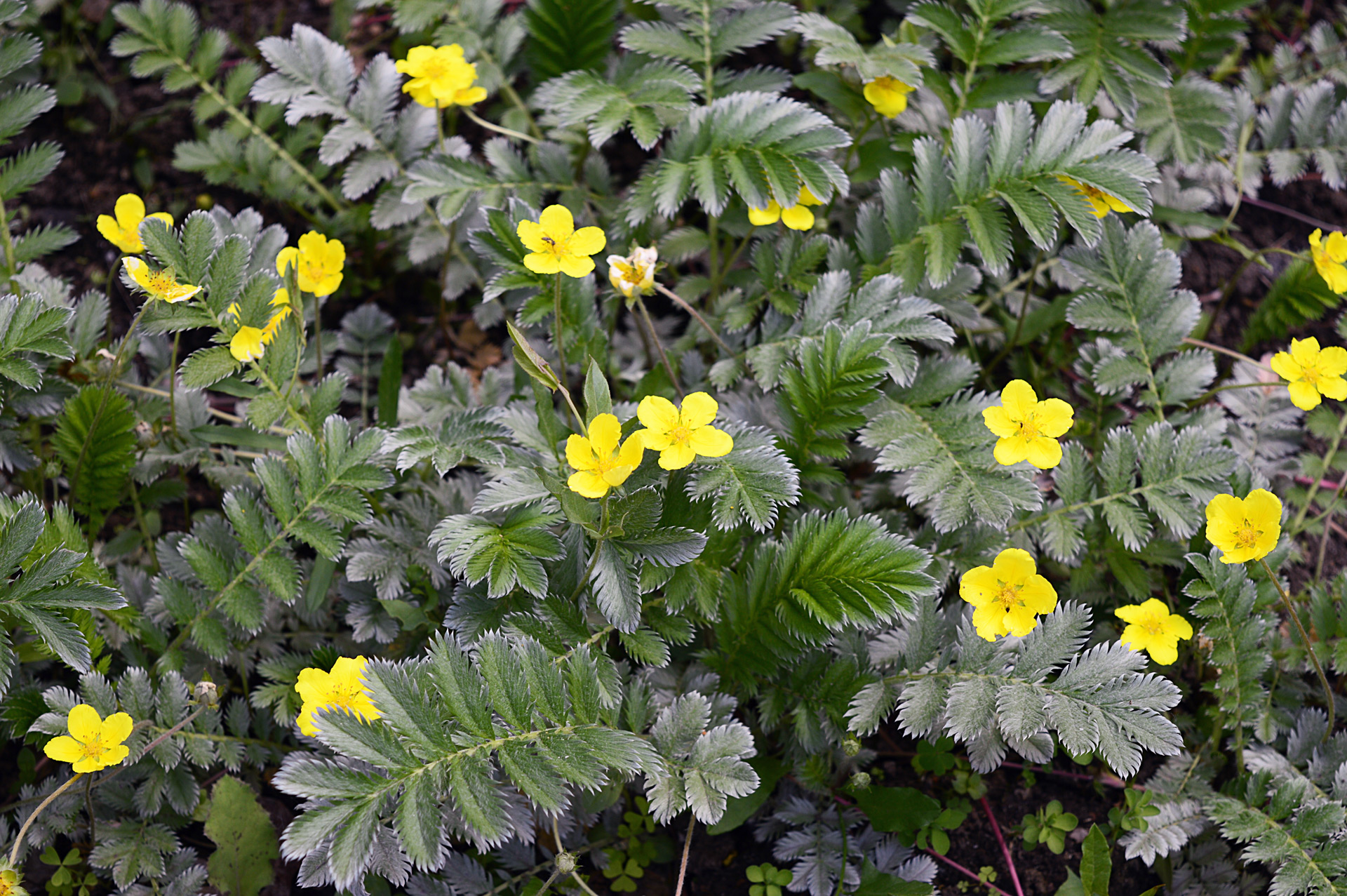
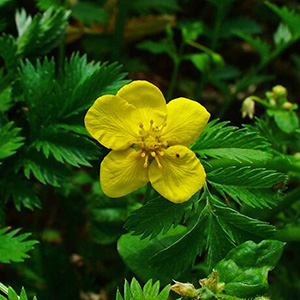
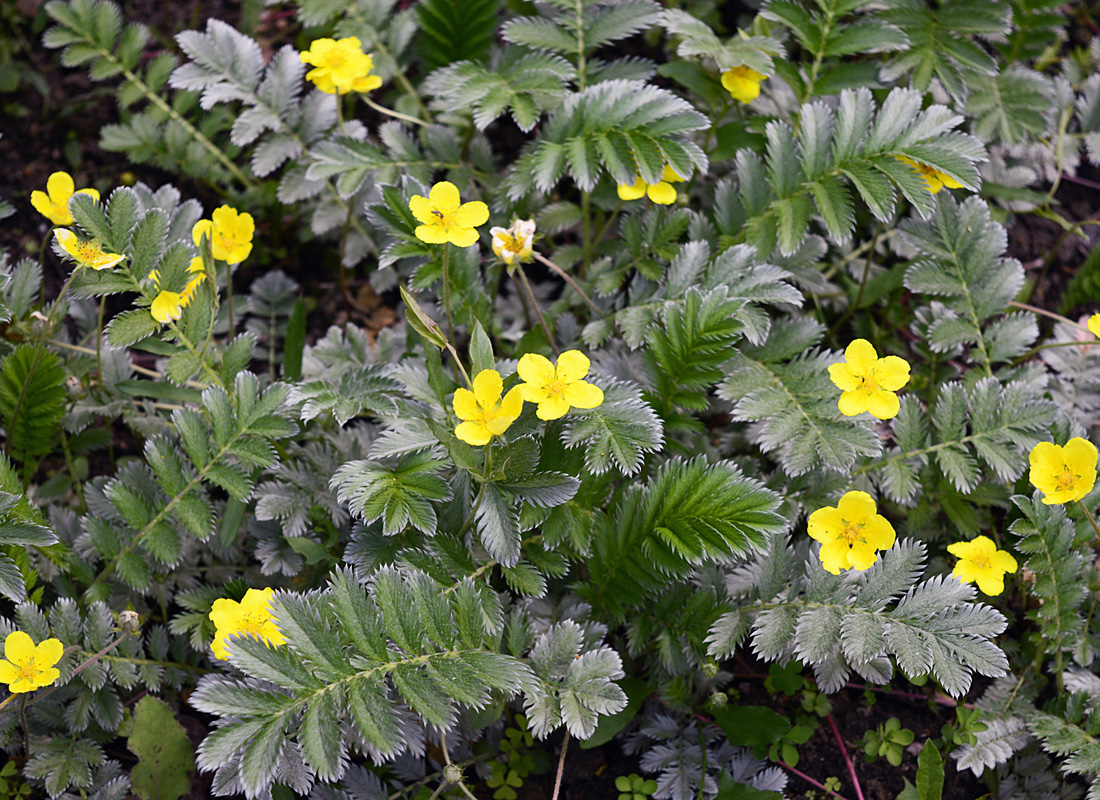
The Pacific Silverweed (Potentilla anserina ssp. pacifica) is a low, running coastal groundcover with ferny leaves silver-white beneath, cheerful yellow flowers, and sweet edible roots — one of the great traditional root foods of the Northwest Coast.2, 4
NOTE: Keep roots wet upon arrival — do not let them dry out.
Edible & Medicinal Uses
The prize is the root, which tastes like sweet potato or parsnip. The roots are bitter raw but lose most of that bitterness when steamed or roasted, turning sweet and nutty; they're notably nutritious, with an amino-acid profile similar to barley (close to a complete protein). The young leaves can be eaten raw in salads or cooked as a potherb. Silverweed is traditionally tended and harvested in estuarine "root gardens," often right alongside Springbank Clover. A note of care: silverweed is traditionally avoided during pregnancy, as it can stimulate the uterus.1, 4
Ornamental Qualities
A charming, tough groundcover, Pacific Silverweed spreads by bright red runners into a low mat of pinnate leaves — green above, shimmering silver beneath — spangled with butter-yellow, five-petaled flowers spring through summer. It's excellent for binding moist or sandy soil at a pond edge, rain garden, or coastal bank, and pairs naturally with Springbank Clover.1
Environment & Culture
Ecology: Native to Pacific coastlines, Pacific Silverweed grows in salt marshes, estuaries, wet meadows, and beach edges, tolerant of salt and seasonal flooding. Its running mats stabilize wet soil and its flowers feed pollinators.1, 2
Culture: Silverweed is a key "root" food of Northwest Coast peoples (Tlingit tséit), grown in tended, owned estuarine gardens managed by dividing and replanting the roots — a practice documented alongside springbank clover. We offer it with respect for that living knowledge and invite support for Indigenous-led restoration through our Charitable Giving page.4
In the Kitchen
Lift the long roots in fall, then steam or roast them to sweeten — they cook up like a slender sweet potato or parsnip, good mashed, in soups, or roasted with oil. Toss the young leaves into a salad or wilt them as greens. (Growing and harvest details are on the Planting Guide tab.)
Attributes
- Native Range: Pacific coast of North America; salt marshes, estuaries, wet meadows1
- USDA Zones: ~5–93
- Light: Full sun to part shade1
- Water: Moist to wet; tolerates salt and seasonal flooding1
- Soil: Moist, rich; sandy to clay1
- Habit: Spreading groundcover; runs by red runners2
- Edible: Roots (sweet, cooked) & young leaves — avoid in pregnancy4
References
- Alaska Ethnobotany (UAF); CalScape, Potentilla anserina ssp. pacifica.
- Pojar, J. & MacKinnon, A., Plants of the Pacific Northwest Coast, 2014.
- USDA PLANTS Database, Potentilla anserina.
- Turner & Kuhnlein, "Two Important Root Foods of the NW Coast," Econ. Bot., 1982.
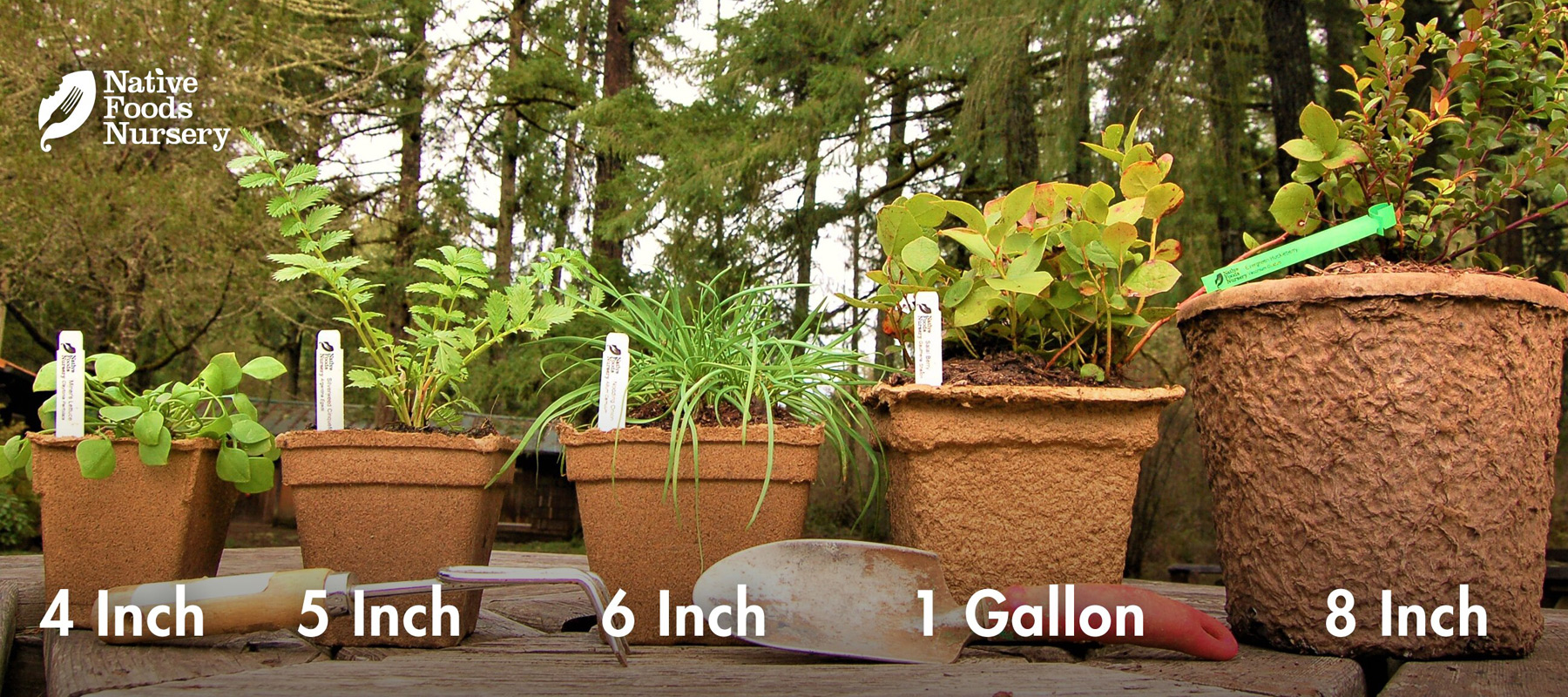
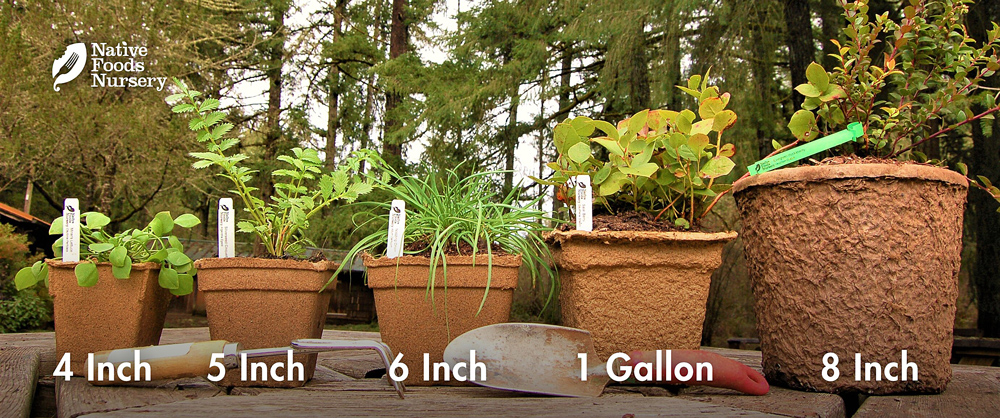
Pot Sizing Guide
Planting Guide: Pacific Silverweed (Potentilla anserina ssp. pacifica)
Tip: Give it moist ground in sun and let it run — it makes a tough, edible, soil-binding groundcover for pond edges and rain gardens, and pairs beautifully with springbank clover.
When Your Plant Arrives
Open the box promptly and keep the roots wet at every step — aquatic and marginal plants should never be allowed to dry out. Set the plant in a container of water or into damp soil right away, and keep it cool and shaded until you can move it to its permanent spot. If anything doesn’t look right, please contact customer service within 7 days of delivery and we’ll take care of you.
Choosing a Site
Light: Full sun to part shade.
Soil & water: Moist to wet; tolerates salt and seasonal flooding.
Space: 12–18 in apart; it spreads by runners.
Planting Steps
Plant plugs or rooted runners in spring or fall. Set at the depth they grew, firm, and water in well.
Keep the soil moist as it knits in.
Watering & Care
Establishment: Keep consistently moist.
After establishment: Vigorous in wet ground; drought-sensitive.
Maintenance: Divide and replant roots or runners in fall to expand or thin.
Protection
Wildlife: Flowers feed pollinators; the mat stabilizes wet soil.
Companions: Springbank clover and wetland-edge natives.
Harvest Basics
Season: Lift the long roots in fall; young leaves in spring.
Prep: Steam or roast the roots to sweeten them (bitter raw); eat young leaves raw or cooked.
Sustainable harvest: It runs freely, so lift roots from a spreading patch and leave plenty to regrow.
