Berry Lover's Guild
- Current Stock:
- 0
- Example of a Native Plant Guild:
- ***For Reference Only - Not For Purchase***
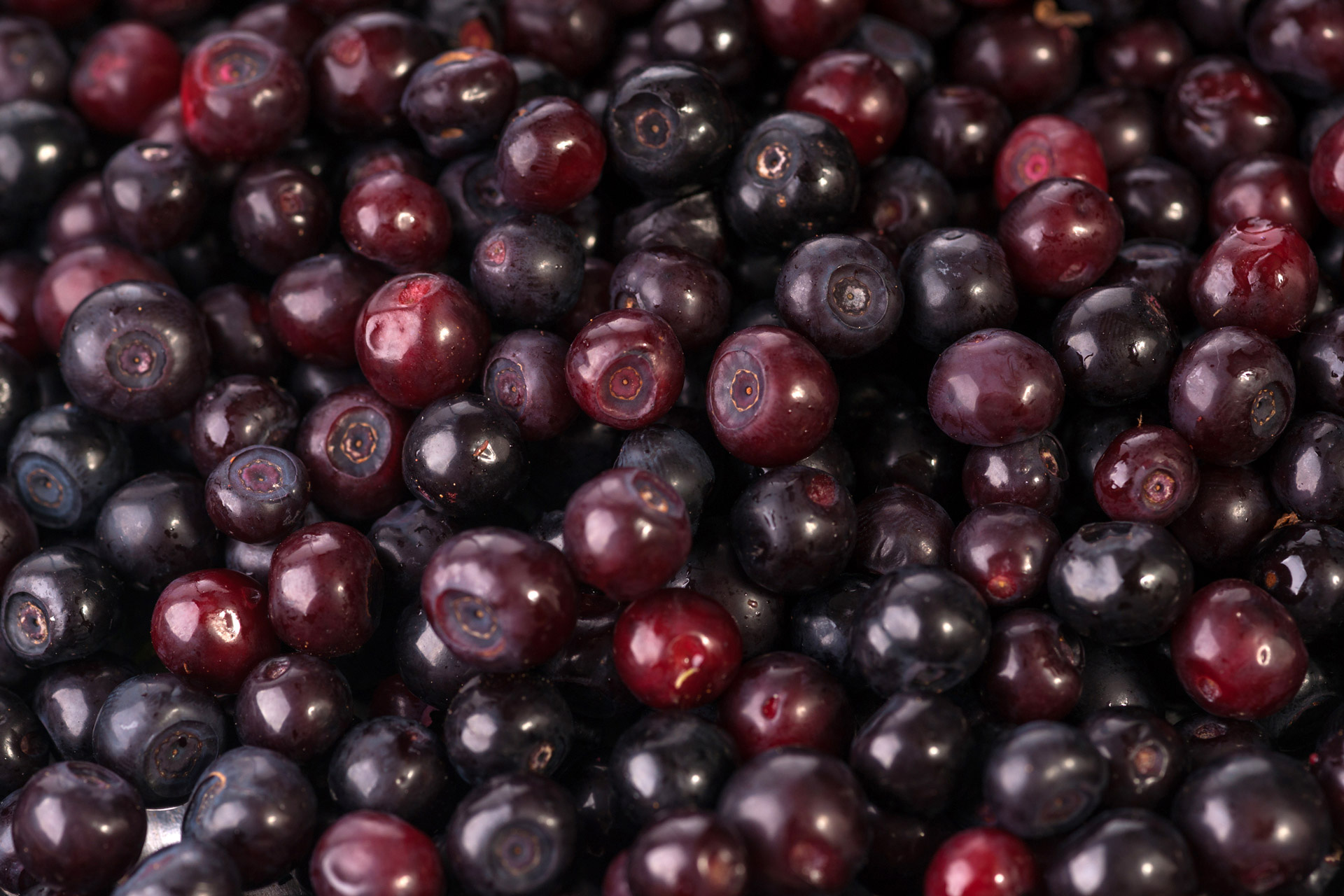
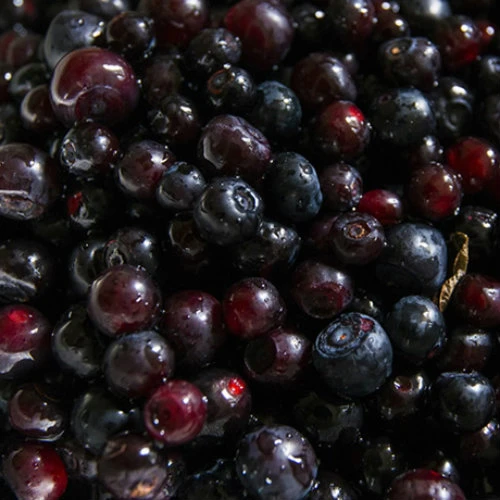
The Northwest's native berries are about as good as it gets — here are nine of the very best, together.
What Is a Guild?
A guild is an idea borrowed from nature and from permaculture: a community of plants chosen to support one another. Instead of a lonely row of a single crop, a guild layers a central tree or shrub with companions that feed the soil, draw in pollinators, cover bare ground, and yield food — each sharing light, water, and nutrients the way a small patch of wild woodland or meadow does. Plant one, and you're not just gardening; you're starting a little ecosystem.
The Berry Lover's Guild
No single centerpiece here — just a glorious thicket of the region's finest native berries, chosen to ripen in succession so you can graze from early summer into fall. Eat them warm off the bush, or gather the surplus into an unforgettable mixed native-berry jam.
Plants in This Guild
- Evergreen Huckleberry — evergreen berry shrub
- Black Huckleberry — mountain berry shrub
- Golden Currant — berry shrub
- Black Gooseberry — berry shrub
- Salmonberry — early-summer berry
- Thimbleberry — soft summer berry
- Blackcap Raspberry — black raspberry cane
- Honeyberry — early blue berry
- Pacific Blackberry — trailing native blackberry
These are the plants we'd reach for — mix, match, and add your own. See each plant's own page for full details, and the Planting Guide tab for how to lay the guild out.
Ecology & Design
Planting a mix rather than a monoculture spreads the harvest over months, buffers against a bad year for any one species, and keeps pollinators fed from the first salmonberry flower to the last blackberry. Give the taller huckleberries and currants the back row and let the trailing blackberry roam the sunny edge.
Planting Guide: Berry Lover's Guild
Tip: Site for succession and pollination: give each berry the light it wants and let bloom times overlap so bees (and you) are fed for months.
Design & Layout
Back row: Tall huckleberries and currants.
Middle: Gooseberry, salmonberry, thimbleberry, raspberry canes.
Sunny edge: Let the trailing Pacific Blackberry roam.
Plan on roughly a 20-ft circle.
Choosing a Site
Light: Full sun to part shade (more sun = more fruit).
Soil: Rich, well-drained; huckleberries want it acidic.
Water: Moderate; steady moisture swells the berries.
Planting Steps
Plant shrubs in fall or spring, tallest to the back.
Give each room to arch and spread; trellis the blackberry if you like.
Mulch well (acidic mulch near the huckleberries).
Care & Establishment
Year one: Water regularly while everything roots in, even drought-tolerant plants.
Mulch: Mulch bare soil (leaf mold, wood chips) until the groundcovers close in.
Weeding: Keep weeds down the first season or two; after that the guild largely mulches itself.
Patience: Trees, corms, and shrubs settle over a few seasons — the guild fills in and improves each year.
Guild Notes
Netting: Net if the birds beat you to the fruit.
Succession: Salmonberry starts the season; blackberry and huckleberry finish it — great for a mixed jam.