



Northwest Territory Sedge
- Current Stock:
- 0
- Other Names:
- Beaked Sedge, Bottle Sedge, Northwest Territory Sedge
- Latin Name:
- Carex utriculata
The Northwest Territory Sedge (Carex utriculata) is a lush, moisture-loving native sedge for pond edges and wet meadows — a graceful wetland plant with edible roots, shoots, and seeds.2, 4
NOTE: Keep roots wet upon arrival — do not let them dry out.
Edible & Medicinal Uses
This sedge offers food across the seasons. The sweet inner pith of the stems can be eaten raw or cooked; the roots are eaten cooked; and the small seeds can be used like a cereal grain. A note of care: as with all wetland foods, harvest only from clean, unpolluted water.1, 4
Ornamental Qualities
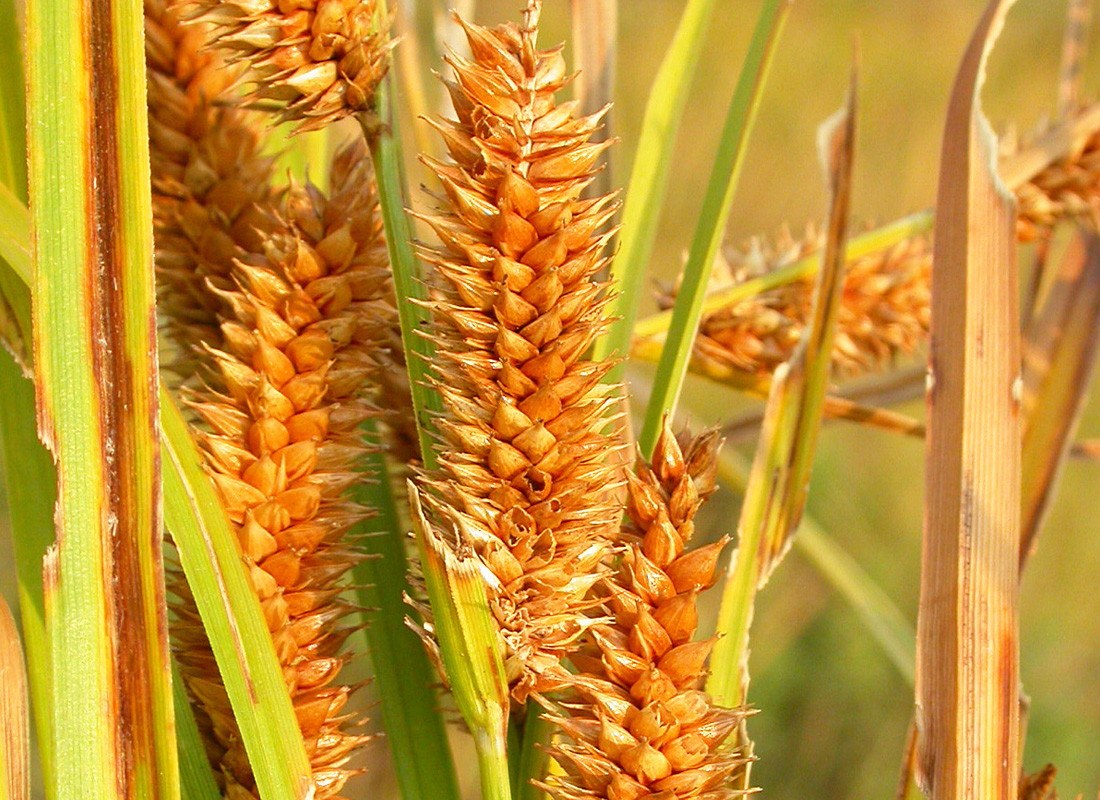
An excellent choice for the ornamental wetland, Northwest Territory Sedge sends up tall stems topped with cylindrical flower clusters, each carrying up to 200 small seeds in shiny green-to-golden sheaths. Its long, slim leaves shift from fresh spring green to golden brown in fall — graceful movement and season-long structure at the water's edge.1
Environment & Culture
Ecology: Native to swamps, marshes, sedge meadows, bogs, fens, and shorelines across the Pacific Northwest, this sedge is a cornerstone of wetland restoration — stabilizing banks, filtering water, and providing food and cover for waterfowl, insects, and amphibians.1, 2
Culture: Sedges are longstanding food and material plants, their roots, shoots, and seeds eaten and their leaves used in weaving. We offer it with respect for that living knowledge and invite support for Indigenous-led restoration through our Charitable Giving page.4
In the Kitchen
Peel the young stems for their sweet inner pith as a fresh nibble, cook the roots as a starchy vegetable, and thresh the ripe seeds to cook or grind as a small grain. Harvest only from clean water. (Growing and harvest details are on the Planting Guide tab.)
Attributes
- Native Range: Across the PNW; marshes, sedge meadows, bogs, shorelines1
- USDA Zones: ~3–83
- Light: Full sun to part shade1
- Water: Wet — saturated soil to shallow water1
- Soil: Rich, mucky, wet1
- Habit: Wetland sedge; tall seed-bearing stems2
- Edible: Stem pith, roots, seeds — from clean water only1
References
- Native Foods Nursery field notes; USDA NRCS, Carex utriculata.
- Pojar, J. & MacKinnon, A., Plants of the Pacific Northwest Coast, 2014.
- USDA PLANTS Database, Carex utriculata.
- Moerman, D., Native American Ethnobotany, 1998.
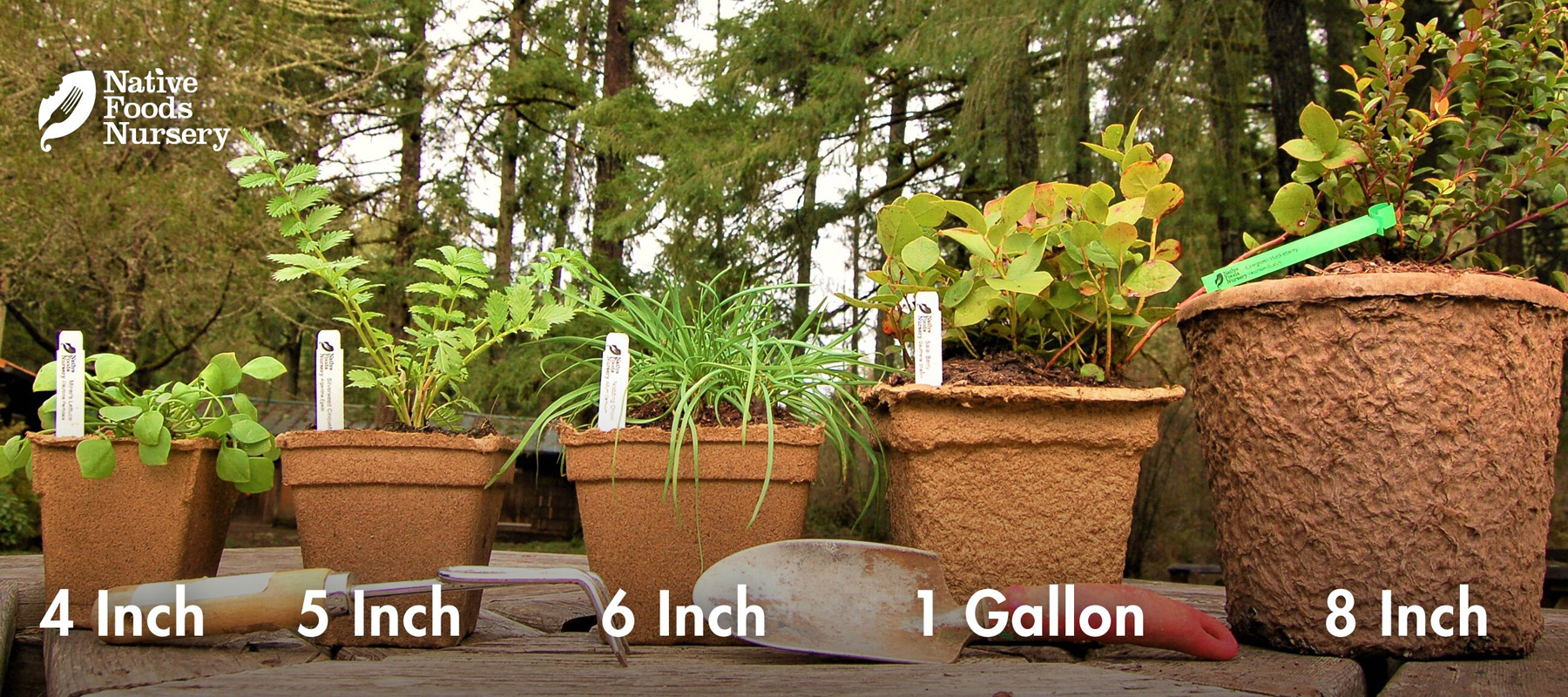
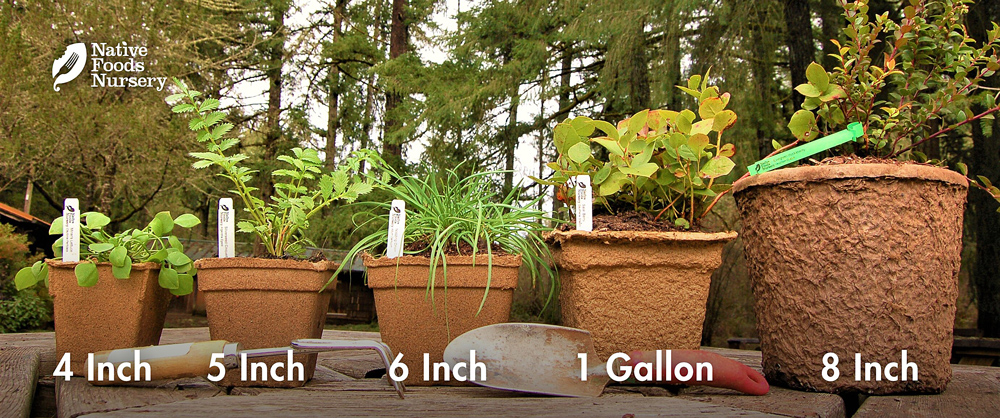
Pot Sizing Guide
Planting Guide: Northwest Territory Sedge (Carex utriculata)
Tip: Plant it wet — pond margins, ditches, and rain gardens are perfect, and it's one of the best sedges for restoration, holding banks and filtering water.
When Your Plant Arrives
Open the box promptly and keep the roots wet at every step — aquatic and marginal plants should never be allowed to dry out. Set the plant in a container of water or into damp soil right away, and keep it cool and shaded until you can move it to its permanent spot. If anything doesn’t look right, please contact customer service within 7 days of delivery and we’ll take care of you.
Choosing a Site
Light: Full sun to part shade.
Soil & water: Rich and wet to shallow standing water.
Space: 18–24 in apart.
Planting Steps
Plant plugs in spring into saturated soil or shallow water. Set at the depth they grew, firm, and keep wet.
Watering & Care
Establishment: Keep wet.
After establishment: Vigorous; spreads by rhizomes into colonies.
Maintenance: Divide or thin to control.
Protection
Wildlife: Food and cover for waterfowl, insects, and amphibians.
Water quality: As with any water-grown food, harvest edible parts only from clean water you would be comfortable eating from — wetland plants take up whatever is in the water.
Harvest Basics
Season: Shoots in spring; roots and seeds through the year.
Use: Eat the sweet inner stem pith fresh; cook the roots; use the small seeds as a grain.
