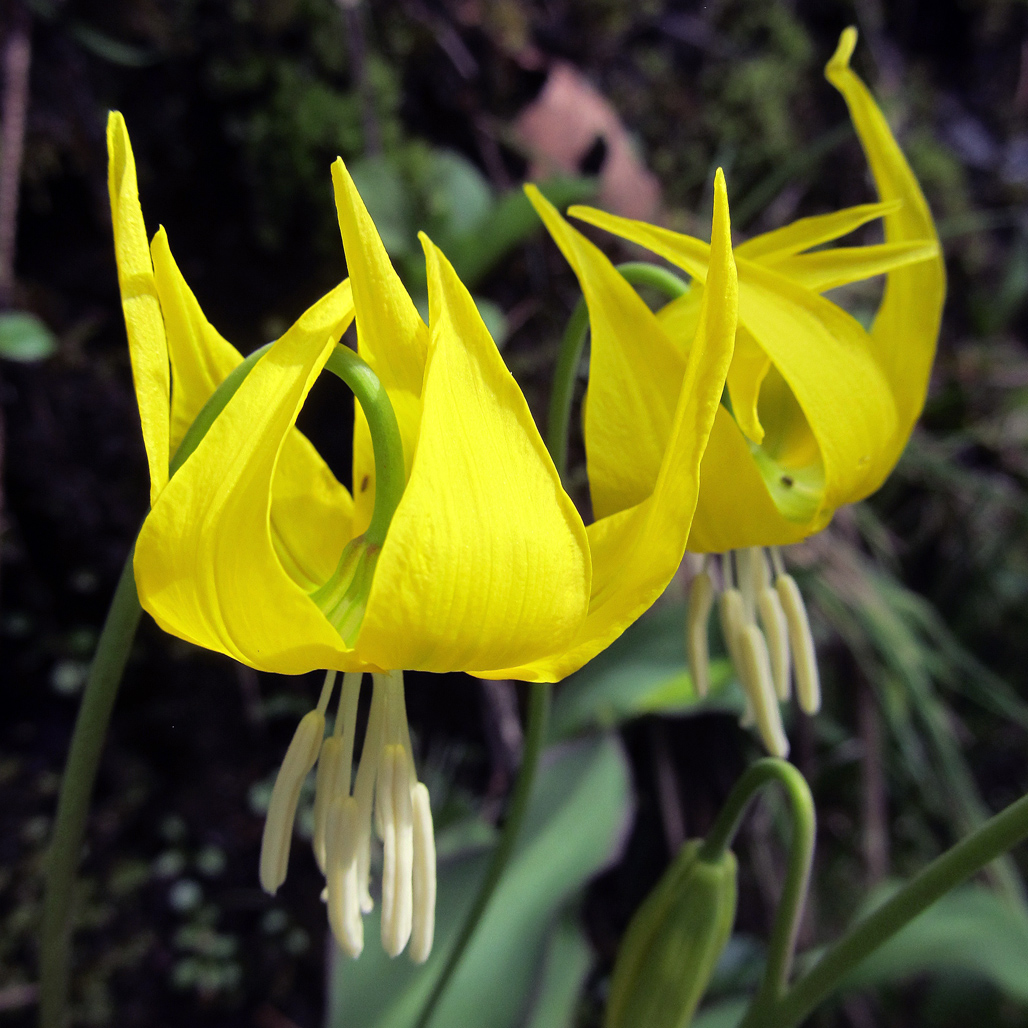
Planting Guide: Avalanche Lily (Erythronium grandiflorum) — Bundle of 3 Bare-root
Tip: This is a cool-climate, subalpine plant that wants moisture, some shade, and humus-rich, well-drained soil — it won't thrive baking in a hot, dry spot, and the corms must never be allowed to dry out.
When Your Plant Arrives
Open the box promptly and lift your plant out gently, holding the pot rather than the stem. Leave it in its biodegradable eco-pot for now — the roots are settled and don’t need disturbing yet. Give it a slow, thorough drink until water runs through the bottom, then set it somewhere bright but sheltered, out of harsh afternoon sun, drying wind, and frost. Let it rest and acclimate there for a few days before planting, so the move from our greenhouse to your garden is a gentle one. If anything doesn’t look right, please contact customer service within 7 days of delivery and we’ll take care of you.
Choosing a Site
Light: Full sun to part shade (part shade prolongs the bloom).
Soil: Rich, gritty, well-drained; moist in spring from snowmelt, drier later; upland, never soggy.
Space: 3–4 in apart.
Planting Steps
Plant in fall or early spring.
If it came in a biodegradable eco-pot, plant it pot and all — the pot is pressed from composted cow manure, so it melts into the soil and feeds the young roots. No need to remove it.
Dig a hole a little wider than the pot, set it at the depth it grew, firm the soil, water in, and site where summer stays on the drier side.
Watering & Care
Spring: Keep evenly moist during growth and bloom — it is a snowmelt plant.
Summer: Ease off as it goes dormant.
Maintenance: Leave undisturbed; slow to increase, colonizing over years.
Protection
Deer & rodents: Deer graze the foliage and rodents relish the corms — protect if needed.
Wildlife: Early yellow flowers feed bumblebees and other spring pollinators.
Harvest Basics
Best use: Grown mainly for its beauty and for montane restoration.
Corm: Edible cooked in moderation (traditionally steamed — the raw corm can upset the stomach), but slow-growing and years to bloom, so lift only a few and leave the colony to build. Young leaves are also edible as a cooked green in small amounts.