




American Speedwell

- Current Stock:
- 0
- Other Names:
- American Brooklime, Brooklime, American Speedwell
- Latin Name:
- Veronica americana
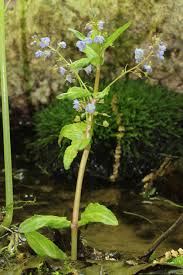
American Speedwell (Veronica americana), also called American brooklime, is a tender native groundcover of streamsides and seeps — sprays of tiny periwinkle-blue flowers over glossy leaves — whose crisp greens taste like watercress.2, 4
NOTE: Native wildflowers are dormant (no leaves/flowers) Summer–Fall.
Edible & Medicinal Uses
American Speedwell is a fresh, watercress-like salad green, eaten mostly raw (it can be cooked too). Harvest the tender young growth early in the season — older leaves turn bitter. It has a mild, clean, peppery-green flavor and a long history of medicinal use as a spring tonic and "blood purifier," simply by eating it. A note of care: like watercress, it grows in and beside water, so harvest only from clean, unpolluted water and give it a good rinse.1, 4
Ornamental Qualities
A pretty, spreading groundcover, American Speedwell fills moist ground with glossy, opposite, saw-toothed leaves and waves of small four-petaled blue-violet flowers in spring and summer. It roots as it creeps and self-sows readily — lovely softening a pond edge, streambank, or rain garden, and a friendly companion to Pacific Silverweed.1
Environment & Culture
Ecology: Native across most of North America, American Speedwell grows in shallow water, seeps, ditches, and wet meadows. Its flowers feed small pollinators and its cover shelters aquatic life at the water's edge.1, 2
Culture: Speedwell is a longstanding edible and medicinal green, eaten fresh as a tonic and used for urinary and kidney complaints. We offer it with respect for that living knowledge and invite support for Indigenous-led restoration through our Charitable Giving page.4
In the Kitchen
Snip the tender young stems and leaves and use them like watercress — heaped into salads, tucked into sandwiches, or stirred into a soup at the last moment for a fresh, peppery bite. Rinse well, and harvest only from clean water. (Growing and harvest details are on the Planting Guide tab.)
Attributes
- Native Range: Most of North America; streams, seeps, wet meadows1
- USDA Zones: ~3–93
- Light: Full sun to part shade1
- Water: Wet — shallow water to consistently moist soil1
- Soil: Rich, wet, mucky1
- Habit: Creeping groundcover; roots as it spreads2
- Edible: Young leaves & stems (watercress-like) — harvest from clean water1
References
- Native Foods Nursery field notes; CalScape, Veronica americana.
- Pojar, J. & MacKinnon, A., Plants of the Pacific Northwest Coast, 2014.
- USDA PLANTS Database, Veronica americana.
- Moerman, D., Native American Ethnobotany, 1998.
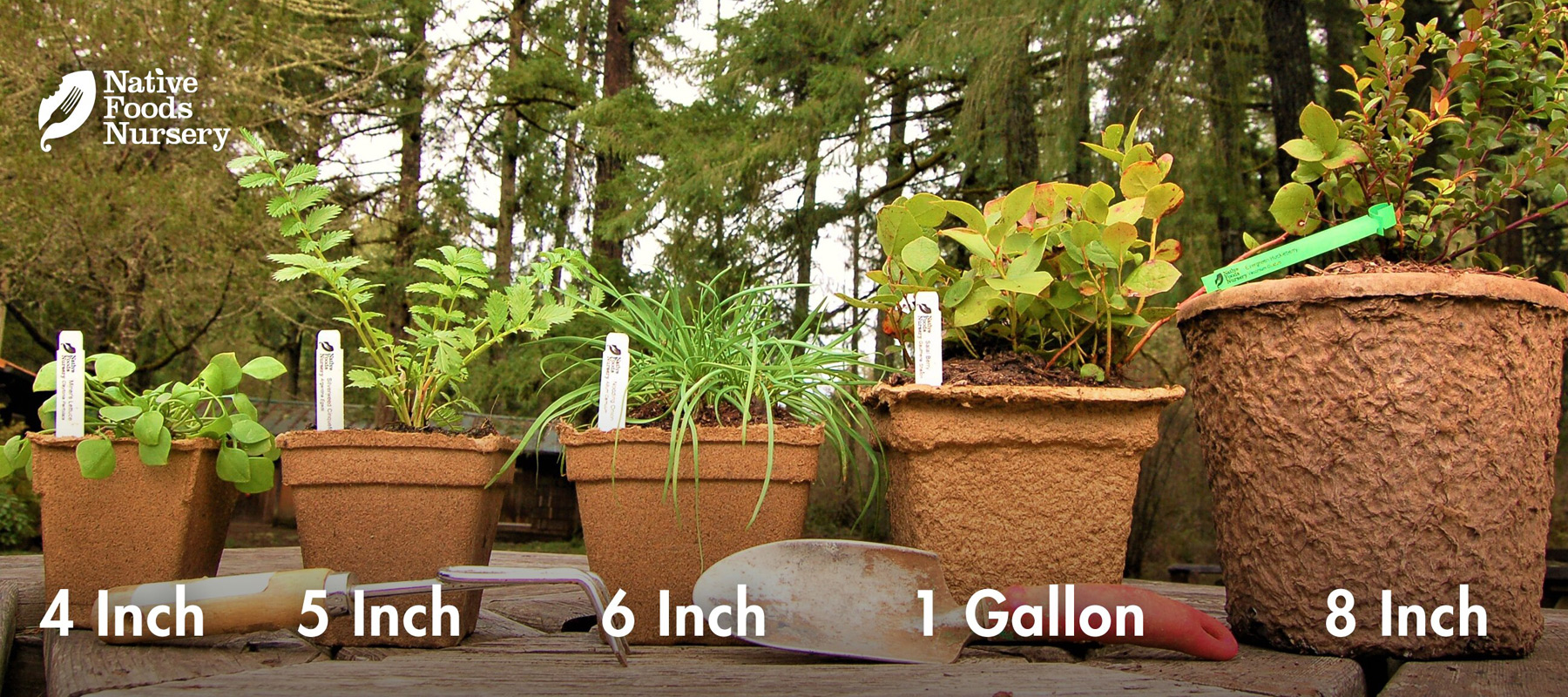
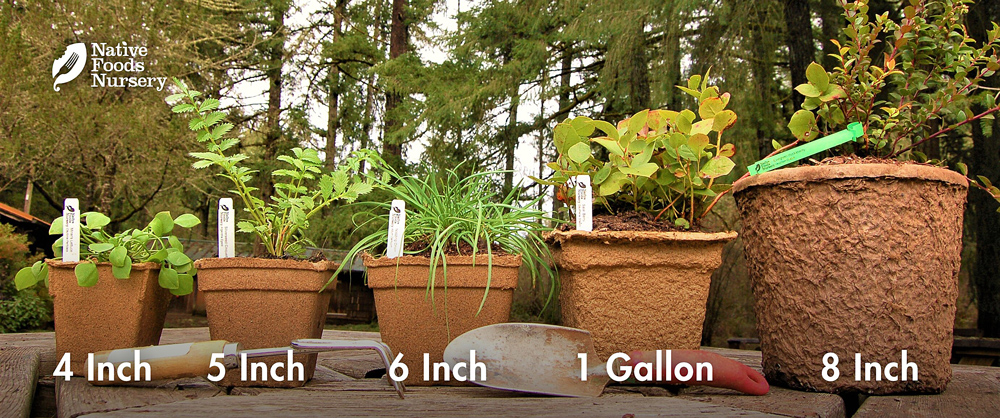
Pot Sizing Guide
Planting Guide: American Speedwell (Veronica americana)
Tip: Give it wet ground or a pond margin in sun to part shade and it fills in fast as an edible, watercress-like groundcover — harvest young and from clean water only.
When Your Plant Arrives
Open the box promptly and lift your plant out gently, holding the pot rather than the stem. Leave it in its biodegradable eco-pot for now — the roots are settled and don’t need disturbing yet. Give it a slow, thorough drink until water runs through the bottom, then set it somewhere bright but sheltered, out of harsh afternoon sun, drying wind, and frost. Let it rest and acclimate there for a few days before planting, so the move from our greenhouse to your garden is a gentle one. If anything doesn’t look right, please contact customer service within 7 days of delivery and we’ll take care of you.
Choosing a Site
Light: Full sun to part shade.
Soil & water: Wet, rich ground to shallow water.
Space: 12 in apart; it creeps and roots as it goes.
Planting Steps
Plant plugs in spring into wet soil or a pond edge. Set at the depth they grew, firm, and keep wet.
Watering & Care
Establishment: Keep wet.
After establishment: Vigorous in wet ground; self-sows and spreads.
Maintenance: Trim to keep it tidy.
Protection
Wildlife: Flowers feed small pollinators; cover at the water’s edge.
Water quality: Harvest greens only from clean, unpolluted water.
Harvest Basics
Season: Young leaves and stems in spring and early summer.
Safety: Like watercress, eat it only from clean water — plants from still or contaminated water can carry parasites, so when in doubt, cook it.
Use: A fresh, watercress-like green — raw in salads and sandwiches, or briefly cooked.
