




Snowbrush Ceanothus
- Current Stock:
- 0
- Other Names:
- Snowbrush, Tobacco Brush, Sticky Laurel, Red Root, Mountain Balm, Soapbloom
- Latin Name:
- Ceanothus velutinus
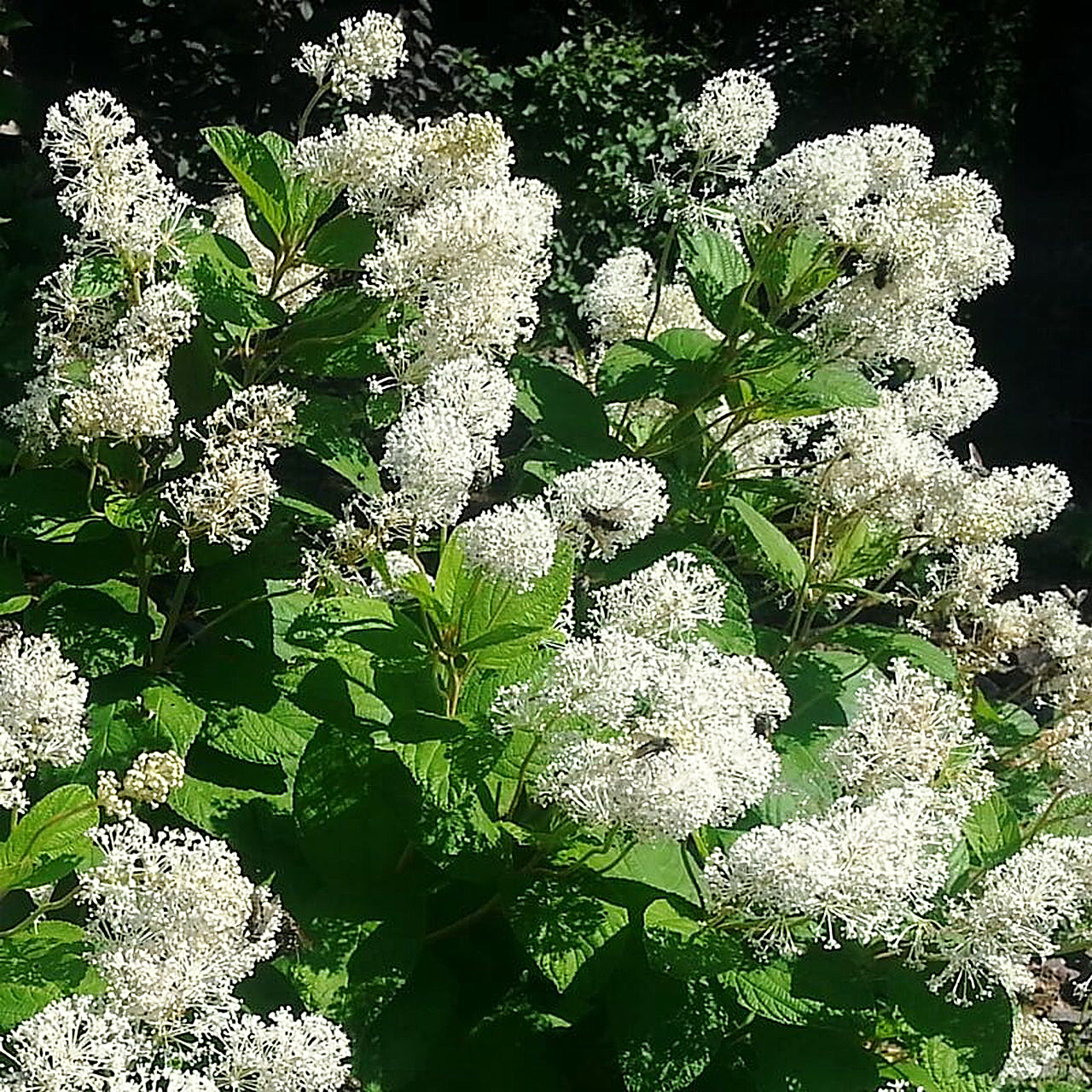
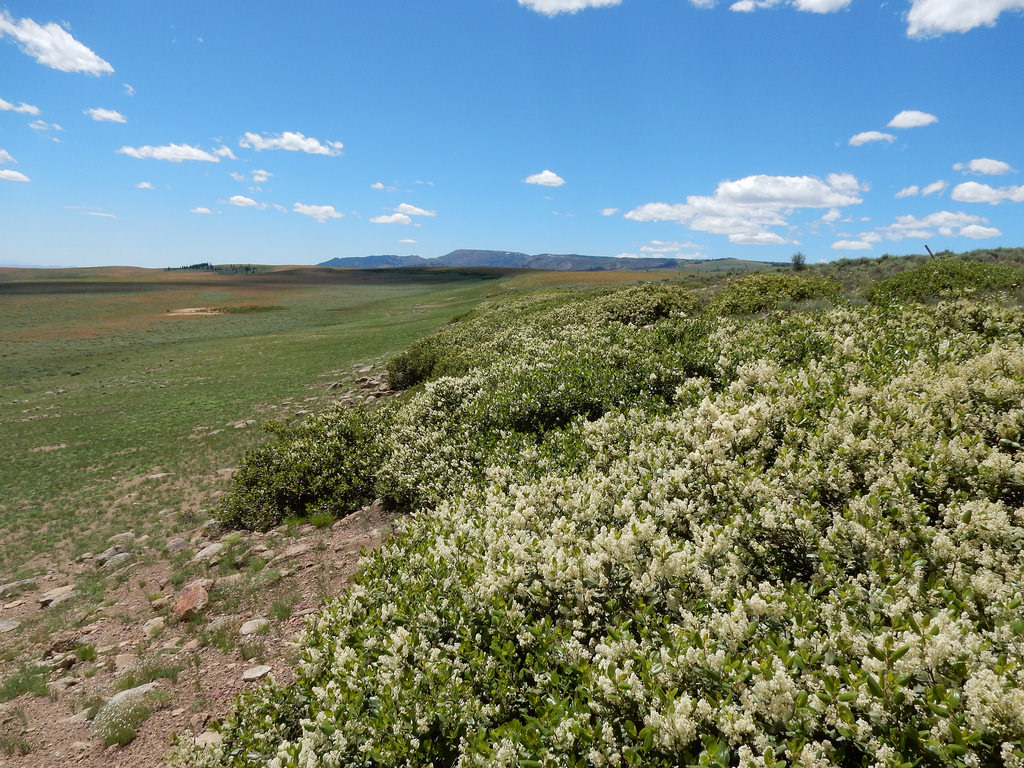
The Snowbrush Ceanothus (Ceanothus velutinus) is a glossy, aromatic, nitrogen-fixing evergreen shrub of the Northwest, foaming with fragrant white flower plumes in early summer.2, 4
Everyday & Traditional Uses
Like other ceanothus, Snowbrush is rich in natural saponins: crush the flowers (or developing seed cases) with water and they whip into a gentle, fragrant lather — a pleasant, skin-friendly soap and shampoo that leaves a light floral scent. The dried leaves make a mild herbal tea. Snowbrush also has a long history of medicinal use — among them a steam or wash for colds and fevers and a root-bark preparation for lymphatic complaints — and its compounds continue to interest researchers. We share this as traditional and cultural knowledge, not medical advice.1, 4
Ornamental Qualities
Shiny, sticky, aromatic evergreen leaves and billowing, sweetly fragrant white flowers make Snowbrush a lovely, low-care choice for corners, edges, and slopes, or for winter greenery beneath deciduous trees. Note: its leaves naturally curl and can look a little ratty, sometimes drying and dropping — that's normal for the species.1
Environment & Culture
Ecology: A nitrogen-fixer, Snowbrush enriches poor, disturbed soil and is one of the first shrubs to return after fire. Deeply drought-tolerant, it forms wildlife thickets, and its fragrant flowers are alive with native bees and butterflies.1, 2
Culture: The flowers are a traditional soap and the plant a valued medicine among Northwest and Interior peoples. We offer it with respect for that living knowledge and invite support for Indigenous-led restoration through our Charitable Giving page.4
In the Garden & Home
Beyond its ornamental and ecological value, try rubbing a handful of wet flowers together for a fragrant natural lather, or drying the leaves for a mild woodland tea. (Growing and harvest details are on the Planting Guide tab.)
Attributes
- Native Range: British Columbia to California to the Rockies; slopes, openings1
- USDA Zones: ~4–83
- Light: Full sun1
- Water: Low; very drought-tolerant1
- Soil: Lean, well-drained; fixes its own nitrogen1
- Habit: Aromatic evergreen shrub; fragrant white flowers2
- Use: Flowers as soap; leaves as tea; pollinator & soil-builder4
References
- Native Foods Nursery field notes; Wikipedia, Ceanothus velutinus.
- Pojar, J. & MacKinnon, A., Plants of the Pacific Northwest Coast, 2014.
- USDA PLANTS Database, Ceanothus velutinus.
- Moerman, D., Native American Ethnobotany, 1998; PFAF.
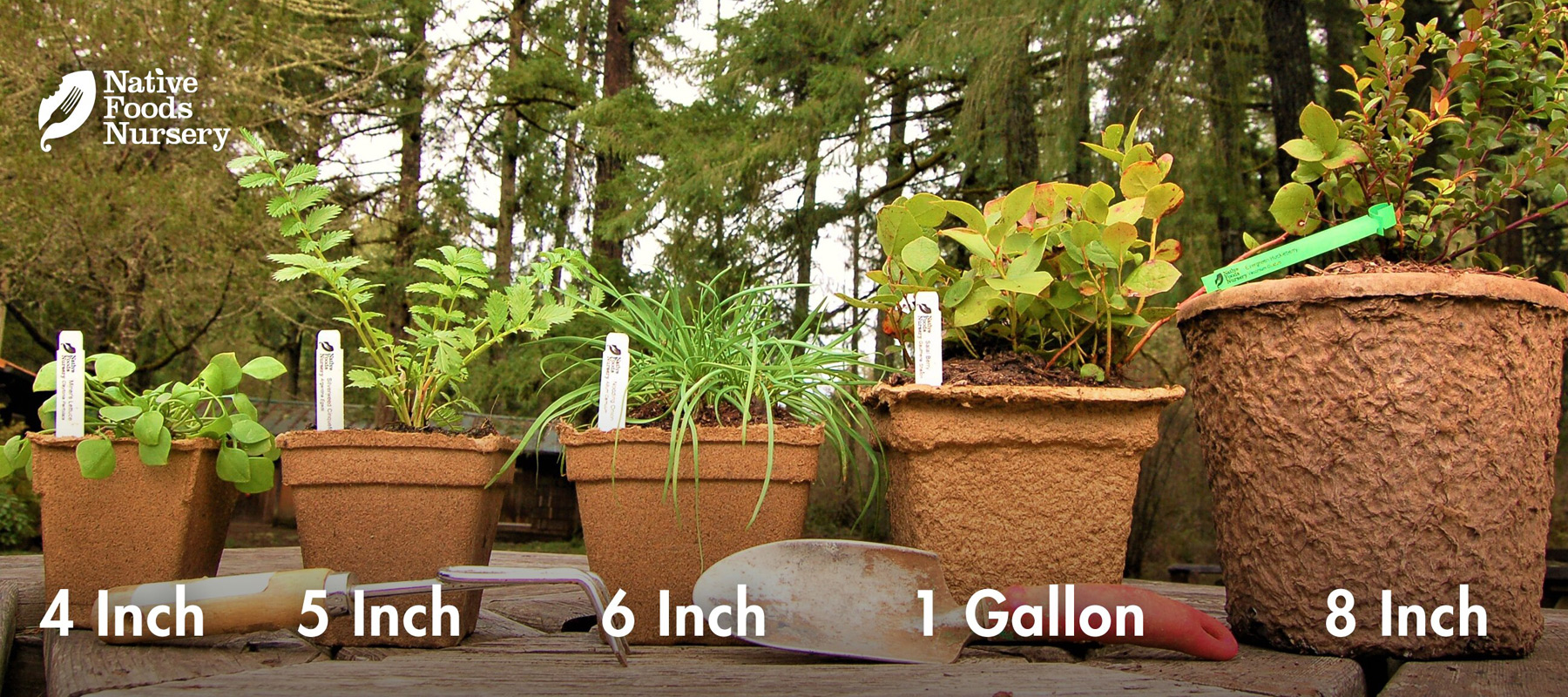
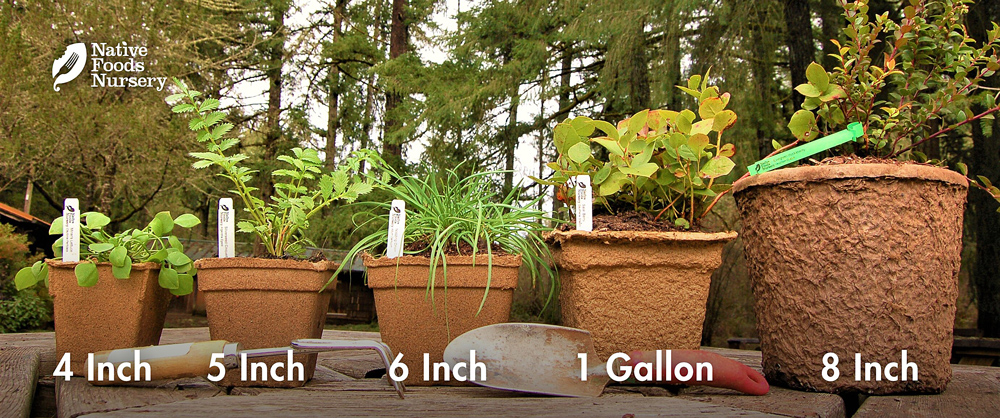
Pot Sizing Guide
Planting Guide: Snowbrush Ceanothus (Ceanothus velutinus)
Tip: Give it full sun and dry, lean soil and then leave it alone — ceanothus resents summer water and rich ground, and it fixes its own nitrogen. (Curled, slightly ratty leaves are normal.)
When Your Plant Arrives
Open the box promptly and lift your plant out gently, holding the pot rather than the stem. Leave it in its biodegradable eco-pot for now — the roots are settled and don’t need disturbing yet. Give it a slow, thorough drink until water runs through the bottom, then set it somewhere bright but sheltered, out of harsh afternoon sun, drying wind, and frost. Let it rest and acclimate there for a few days before planting, so the move from our greenhouse to your garden is a gentle one. If anything doesn’t look right, please contact customer service within 7 days of delivery and we’ll take care of you.
Choosing a Site
Light: Full sun.
Soil: Lean, well-drained, dry; tolerates poor ground.
Space: 5–8 ft apart.
Planting Steps
Plant in fall or spring.
If it came in a biodegradable eco-pot, plant it pot and all — the pot is pressed from composted cow manure, so it melts into the soil and gives the young roots their first feed. No need to remove it.
Set at the depth it grew, firm, and water in once. Avoid rich beds and summer irrigation.
Watering & Care
Establishment: Light water the first season only.
After establishment: Do NOT summer-water — drought is what it wants; summer irrigation is the usual way to kill it.
Protection
Wildlife: Fragrant flowers draw native bees and butterflies; thicket cover.
Note: A nitrogen-fixer that builds soil; often fast-growing but relatively short-lived, so let it self-seed or plan to replace it in time.
Harvest Basics
Season: Flowers in early summer; leaves any time.
Use: Not a food plant — but the saponin-rich flowers whip into a fragrant lather soap, and the dried leaves make a mild tea.
