




Wapato
- Current Stock:
- 0
- Other Names:
- Broadleaf Arrowhead, Duck Potato, Indian Potato, Katniss, Arrowhead; Chinook: wapato
- Latin Name:
- Sagittaria latifolia
Wapato (Sagittaria latifolia), also known as Duck Potato, Indian Potato, or Broadleaf Arrowhead, is a striking aquatic native — bold arrowhead-shaped leaves and white three-petaled flowers rising from pond and marsh — that produces a beloved, potato-like edible tuber.2, 4
NOTE: Keep roots wet upon arrival — do not let them dry out.
Edible & Medicinal Uses
Wapato's walnut-to-egg-sized tubers form at the ends of underwater runners and are prepared just like potatoes — boiled, roasted, mashed, or fried, and even dried and ground into flour. Cooked, their smooth, faintly orange flesh tastes somewhere between a sweet potato and a yam, with notes of sweet chestnut (cooking removes a slight raw bitterness). Wapato has long been a cornerstone food and trade item — the name wapato refers to the plant, and the bread-cake made from it is called chaplil.1, 4
Ornamental Qualities
Handsome and architectural, Wapato brings glossy, tropical-looking arrowhead leaves 1–2 ft tall and airy whorls of white flowers to a pond edge, rain garden, ditch, or half-barrel water garden. It's a superb plant for cleaning and greening wet spots, and a magnet for bumblebees, waterfowl, and dragonflies.1
Environment & Culture
Ecology: Found in shallow wetlands across North America, Wapato grows in ponds, slow streams, marshes, and saturated soils, spreading into large, productive colonies (a single healthy plant can yield dozens of tubers in a season). Its tubers feed ducks and muskrats (hence "duck potato"), and its flowers feed bumblebees.1, 2
Culture: Among the most important root foods of the lower Columbia and Northwest Coast, wapato is harvested (often by women wading and freeing the floating tubers with their feet), eaten, stored, and traded widely. We offer it with respect for that living knowledge and invite support for Indigenous-led restoration through our Charitable Giving page.4
In the Kitchen
Harvest tubers in fall as the plant goes dormant — in a tub or pond, loosen the mud and let them float up to collect. Treat them exactly like small potatoes: boil then bake with a little butter and garlic, roast, mash, or fry. Always cook them (never raw); the flavor is nutty, starchy, and mildly sweet.5 (Growing and harvest details are on the Planting Guide tab.)
Attributes
- Native Range: Shallow wetlands across North America1
- USDA Zones: ~4–103
- Light: Full sun1
- Water: Aquatic — shallow standing water to saturated mud1
- Soil: Soft, mucky, loamy or clay bottoms (not sandy)1
- Habit: Aquatic perennial, 1–2 ft leaves; spreads into colonies2
- Edible: Tubers (cooked) — prepared like potatoes4
References
- CalScape; Northwest Meadowscapes, Sagittaria latifolia.
- Pojar, J. & MacKinnon, A., Plants of the Pacific Northwest Coast, 2014.
- USDA PLANTS Database, Sagittaria latifolia.
- Archaeology Roadshow, "Wapato for the People"; Lewis & Clark journals.
- "Foraging and Cooking Wapato," Forager Chef.
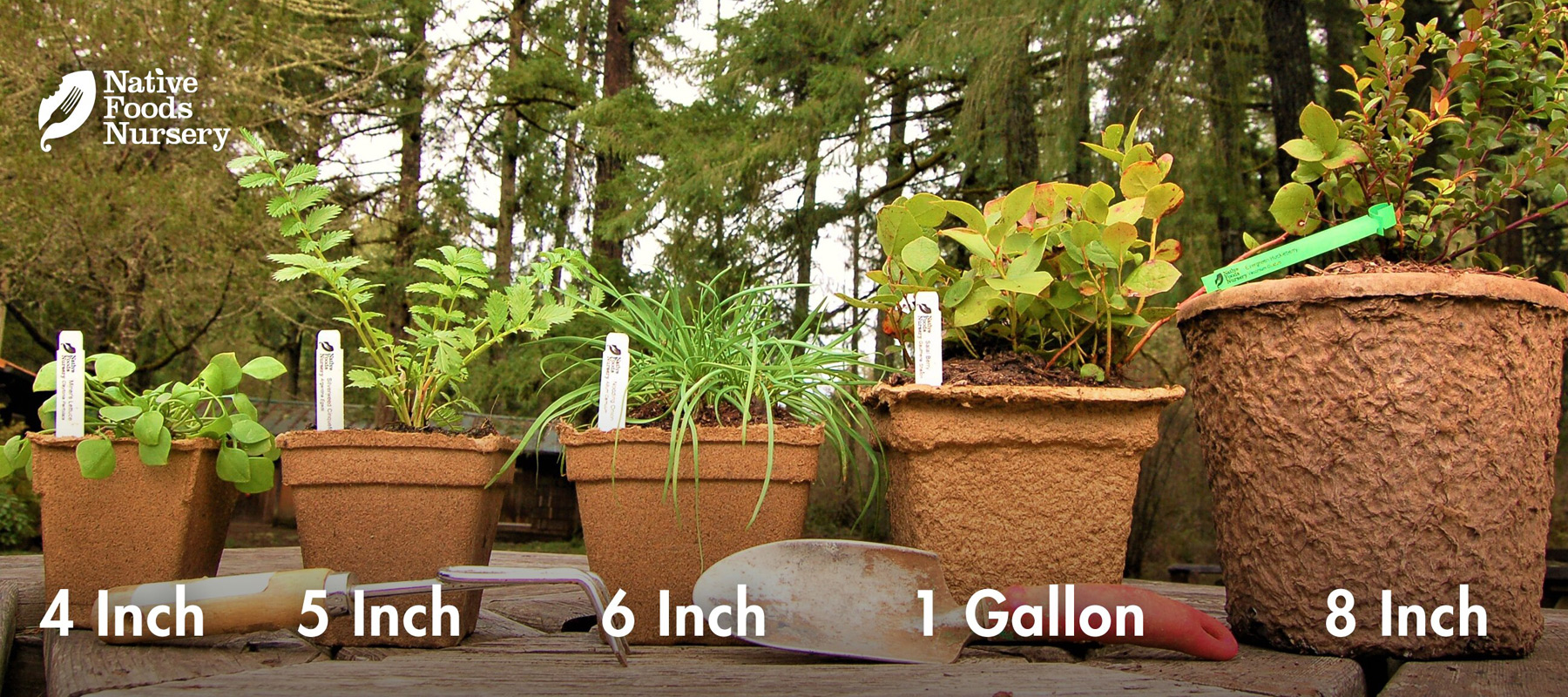
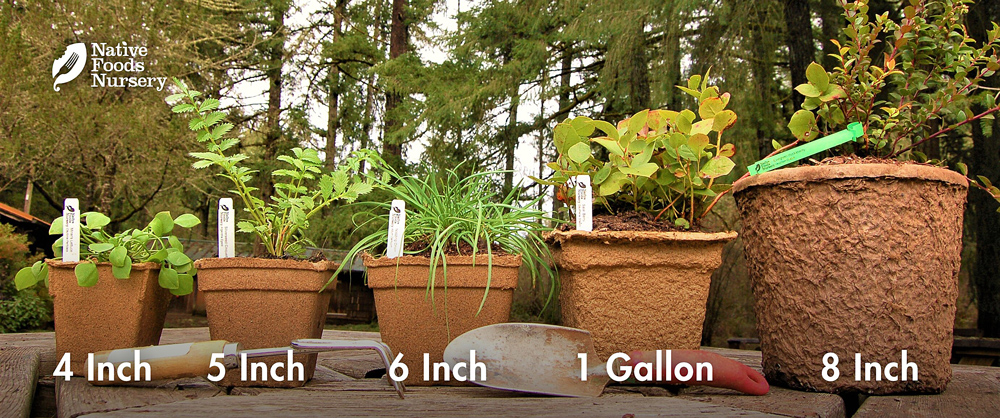
Pot Sizing Guide
Planting Guide: Wapato (Sagittaria latifolia)
Tip: Grow it in a pond margin or a half-barrel water garden with a mucky bottom — a container makes the fall tuber harvest easy, and keeps this vigorous spreader in bounds.
When Your Plant Arrives
Open the box promptly and keep the roots wet at every step — aquatic and marginal plants should never be allowed to dry out. Set the plant in a container of water or into damp soil right away, and keep it cool and shaded until you can move it to its permanent spot. If anything doesn’t look right, please contact customer service within 7 days of delivery and we’ll take care of you.
Choosing a Site
Light: Full sun.
Water/Soil: Shallow standing water (to about 6 in) or permanently saturated muck; soft loam or clay bottoms, not sand. Pond margins, water-holding rain gardens, tubs, and bog edges all work.
Space: 12–18 in apart; a single plant colonizes quickly.
Planting Steps
Plant tubers or plugs in spring into wet mud or shallow water.
Press tubers a few inches into the mud, growing tip up, and keep them submerged or saturated from the start.
For easy harvest and to check its spread, plant into a submerged pot or a confined wet bed rather than open pond bottom.
Watering & Care
Establishment: Keep flooded or saturated at all times — never let the bed dry out.
After establishment: Vigorous and self-sufficient in standing water; it simply needs constant moisture and sun.
Maintenance: Thin the colony each year — it spreads enthusiastically by runners and tubers and will fill its space.
Protection
Containment: The main concern — aggressive in ideal conditions, so grow it in a container or a bounded wet area.
Wildlife: Tubers feed ducks and muskrats and flowers feed bumblebees; net or cage if waterfowl dig your crop.
Water quality: As with any water-grown edible, harvest only from clean water you would be comfortable eating from.
Harvest Basics
Season: Fall, as the plant goes dormant, when tubers are largest.
Technique: Loosen the mud around the plant with hands, a rake, or (traditionally) your feet — the walnut-to-egg-sized tubers pop free and float up, where you skim them off.
Prep: Always cooked, never raw — boil, roast, mash, or fry like potatoes, or dry and grind into flour. Cooked, they are smooth and faintly sweet, like a mild potato-chestnut.
