



California Black Oak
- Current Stock:
- 0
- Other Names:
- Black Oak, Kellogg Oak, Kellogg's Oak, Mountain Black Oak
- Latin Name:
- Quercus kelloggii
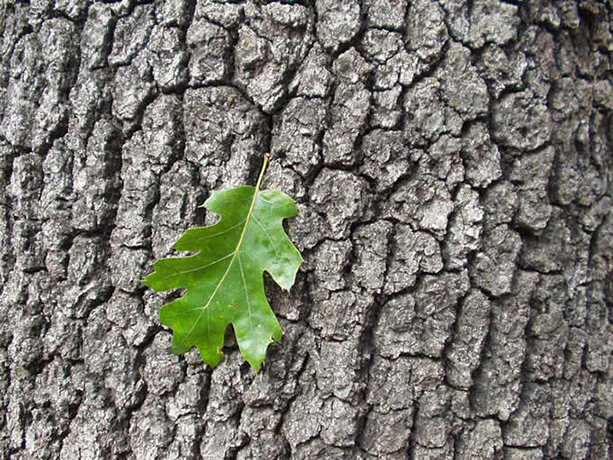
The California Black Oak (Quercus kelloggii) is the largest mountain oak of the West — a stately tree with striking, deeply six-lobed, bright green leaves, dark plated bark, and large acorns that were among the most prized native foods of California.2, 4
Edible & Medicinal Uses
A member of the red/black oak group, its large acorns run higher in tannin than white-oak acorns — yet black-oak acorns were prized above all others for their rich, oily quality once processed. As with every acorn, the bitter tannins must be leached out first (by boiling or cold-water soaking); leached, they turn mild and potato-like and can be eaten roasted, simmered into mush, or ground into a nutritious gluten-free flour. Acorns are rich in complex carbohydrates, minerals, oils, and fiber.1, 4
Ornamental Qualities
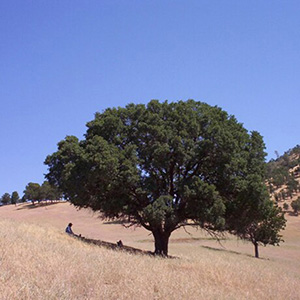
A handsome, sturdy shade tree to 30–80 ft, California Black Oak offers bold, glossy foliage that emerges pink-red, matures bright green, and turns yellow-gold in fall, over dark, deeply furrowed bark. It's a stately anchor for a large landscape and a magnet for wildlife, lovely with an understory of California Hazelnut and native wildflowers.4
Environment & Culture
Ecology: Found in mixed-evergreen and coniferous forests and oak woodlands from Oregon through California, California Black Oak is a crucial wildlife tree, its abundant acorns feeding deer, bears, woodpeckers, jays, and many small mammals, its cavities sheltering birds.1, 4
Culture: Black-oak acorns are a staple and a delicacy for many California nations, who have long tended oak groves with fire and process the acorns by leaching and grinding into meal. We offer this tree with respect for that living knowledge and invite support for Indigenous-led restoration through our Charitable Giving page.4
In the Kitchen
Gather ripe acorns in fall, shell them, and leach out the tannins — boil the chopped nutmeats through several changes of water until it runs clear, or cold-leach in running water. Once sweet, black-oak acorns make an especially rich mush or flour; fold the meal into breads and pancakes, or roast the nutmeats for a snack.5 (Growing and harvest details are on the Planting Guide tab.)
Attributes
- Native Range: Oregon through California; mountains and foothills1
- USDA Zones: ~7–93
- Light: Full sun1
- Water: Drought-tolerant once established1
- Soil: Well-drained; adaptable1
- Habit: Deciduous shade tree, 30–80 ft; slow, sturdy, long-lived4
- Edible: Large (red-oak) acorns, prized when leached — roast, mush, or flour1
References
- USDA PLANTS Database; CalScape, Quercus kelloggii.
- Pojar, J. & MacKinnon, A., Plants of the Pacific Northwest Coast, 2014.
- Oregon State University Landscape Plants, Quercus kelloggii.
- Native Foods Nursery field notes; Anderson, M. K., Tending the Wild, 2005.
- "Preparing and Eating Acorns," Southeast Wise Women.
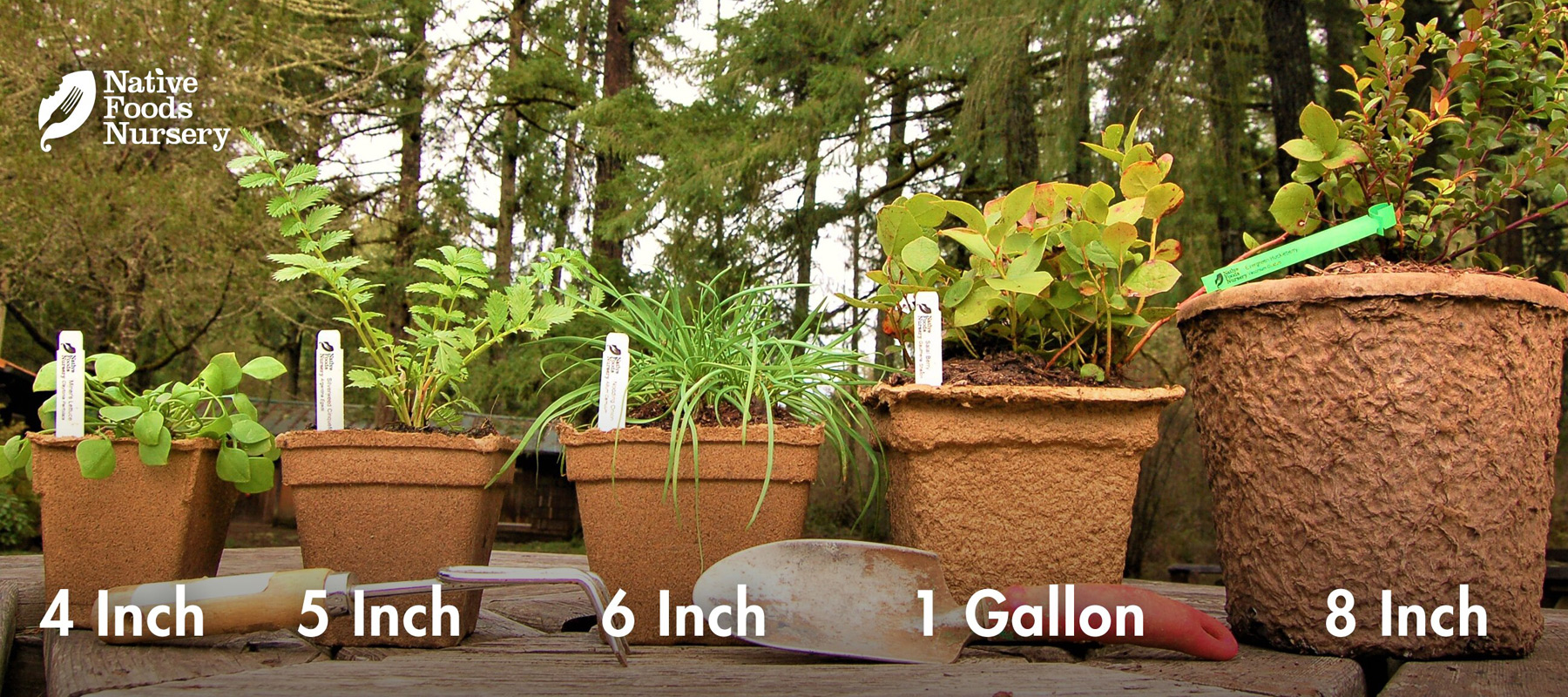
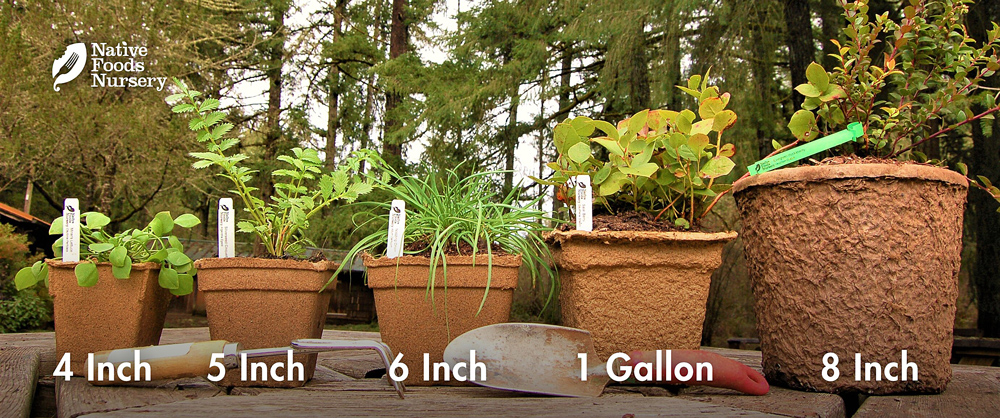
Pot Sizing Guide
Planting Guide: California Black Oak (Quercus kelloggii)
Tip: Give it full sun and room to become the largest mountain oak in the West — slow to start, but a sturdy, acorn-rich anchor tree for generations.
When Your Plant Arrives
Open the box promptly and lift your plant out gently, holding the pot rather than the stem. Leave it in its biodegradable eco-pot for now — the roots are settled and don’t need disturbing yet. Give it a slow, thorough drink until water runs through the bottom, then set it somewhere bright but sheltered, out of harsh afternoon sun, drying wind, and frost. Let it rest and acclimate there for a few days before planting, so the move from our greenhouse to your garden is a gentle one. If anything doesn’t look right, please contact customer service within 7 days of delivery and we’ll take care of you.
Choosing a Site
Light: Full sun.
Soil: Well-drained and adaptable; give it deep ground for the taproot, and don’t over-amend (oaks partner with native soil fungi).
Space: 30+ ft — a large, spreading tree. Keep it clear of foundations and lines.
Planting Steps
Plant in fall or winter while dormant.
If it came in a biodegradable eco-pot, plant it pot and all — the pot is pressed from composted cow manure, so it melts into the soil and gives the young roots their first feed. No need to remove it.
Oaks send down a deep taproot early and resent moving — plant young stock in its permanent home. Dig wide but no deeper than the roots, keep the taproot straight, set at the depth it grew, backfill with native soil, firm, and water in; mulch off the trunk.
Watering & Care
Establishment: Water deeply but infrequently through the first few dry summers.
After establishment: Drought-adapted — stop summer irrigation and keep water off the trunk and crown, since oaks rot when kept wet in summer.
Care: No feeding needed; prune only dead or crossing wood in the dormant season.
Protection
Deer: Seedlings and saplings are browsed — cage young trees.
Wildlife: A keystone acorn tree for deer, bears, woodpeckers, and jays.
Companions: Canyon live oak, bay laurel, oak-prairie natives.
Harvest Basics
Season: Gather plump brown acorns in fall as they drop; skip any with weevil holes or that float.
Leaching (essential): As a red/black oak, its acorns run high in tannin and need more leaching than white-oak acorns — shell them, then boil in several changes of water until it runs clear and they taste mild, or cold-leach ground meal over a day or more.
Use: Once leached, roast, cook to mush, or grind into a rich flour — black-oak acorns were prized above all others.
