



Fool's Onion
- Current Stock:
- 0
- Other Names:
- White Brodiaea, Wild Hyacinth, White Triplet-lily, Hyacinth Brodiaea
- Latin Name:
- Triteleia hyacinthina
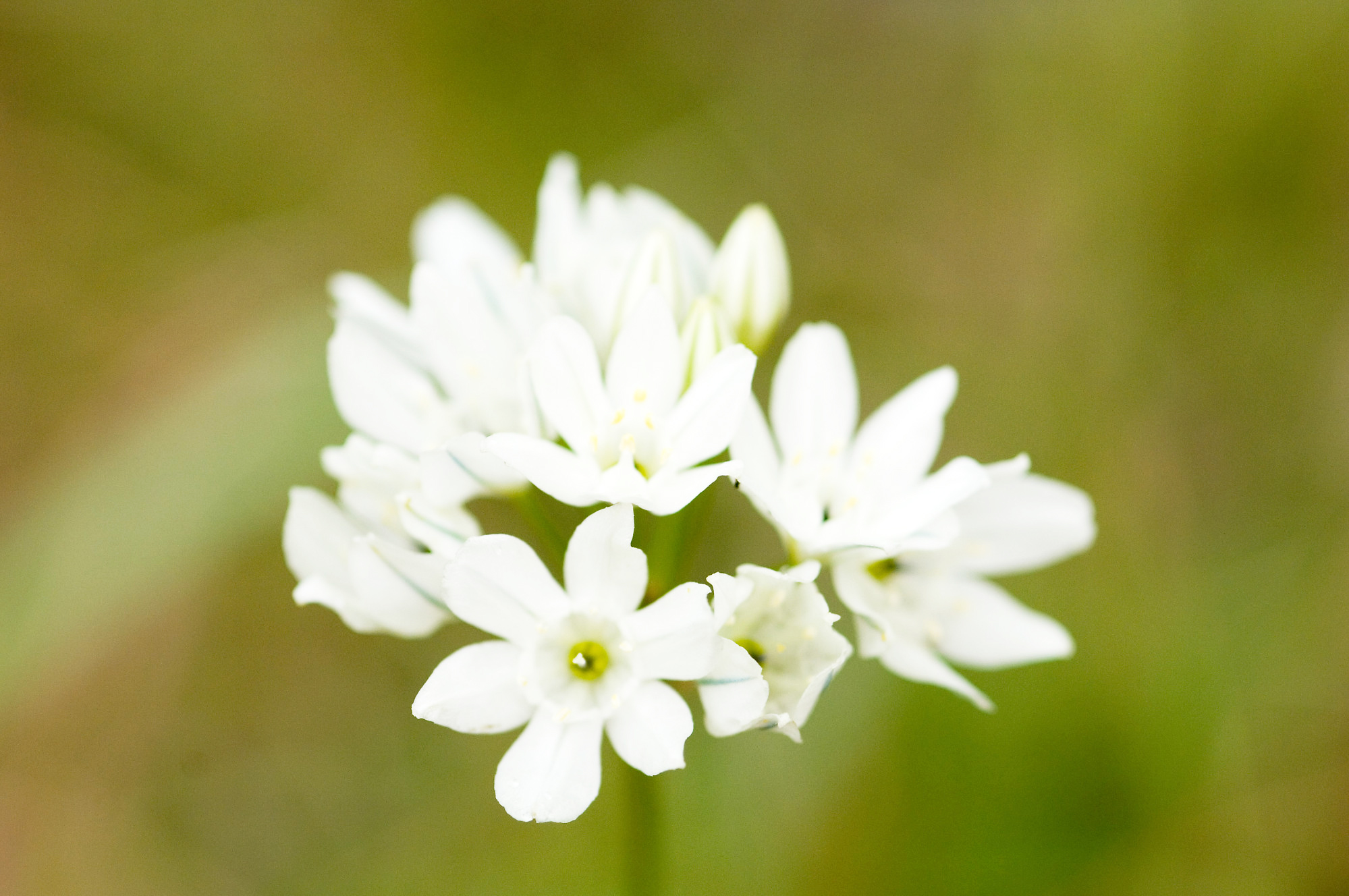
Fool's Onion (Triteleia hyacinthina), also called White Brodiaea or Wild Hyacinth, is a lovely white-flowered wildflower of Northwest prairies with a sweet, edible corm — and, despite its name, no relation to the onion.2, 4
NOTE: Native wildflowers are dormant (no leaves/flowers) Summer–Fall.
Edible & Medicinal Uses
The name is a gentle joke: Fool's Onion looks like a wild onion but has none of the onion smell or taste. Its round corm is instead mild and sweet — closer to a little new potato — and delicious eaten raw or, better, cooked (boiling or roasting removes any slight acridity and brings up the sweetness). It's long gathered and pit-cooked as a wild food. WARNING: In the wild, Fool's Onion can be confused with the toxic death camas — and because it has no onion smell, the sniff test that identifies true wild onions does not work here. Never wild-harvest without expert identification; our labeled nursery plants let you enjoy it safely.1, 4
Ornamental Qualities
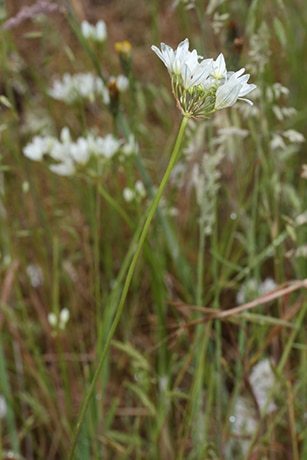
Elegant and long-blooming, Fool's Onion carries rounded clusters of up to 40 star-shaped, milky-white flowers (each with a fine green midvein, sometimes lavender-tinged) atop slender 1–2 ft stems in late spring, after other bulbs fade. A favorite of bees and butterflies and a fine cut flower, it's beautiful drifted with Common Camas, Nodding Onion, and Harvest Brodiaea.1, 4
Environment & Culture
Ecology: Native from British Columbia to California, Fool's Onion grows in open prairies, meadows, and vernally moist ground, often in Garry oak country among camas and wild onion. It's drought-tolerant and summer-dormant, its late bloom feeding pollinators.1, 4
Culture: The corm is a traditional food gathered and cooked by many nations — among them the Maidu, Pomo, Miwok, Washoe, and Paiute — and coastal First Nations continue to use it. We offer it with respect for that living knowledge and invite support for Indigenous-led restoration through our Charitable Giving page.4
In the Kitchen
Rinse the thin-skinned corms and boil them about ten minutes, or roast them, until tender — mild, sweet, and pleasantly potato-like, good with butter and salt or added to a soup. Don't expect onion flavor; think of it as a tiny sweet potato instead. (Growing and harvest details are on the Planting Guide tab.)5
Attributes
- Native Range: British Columbia to California; prairies, meadows, vernal pools1
- USDA Zones: ~5–93
- Light: Full sun to part shade1
- Water: Moist in spring, dry in summer (summer-dormant)1
- Soil: Well-drained; tolerates clay1
- Habit: Corm perennial, 1–2 ft; white flower clusters, late spring2
- Edible: Sweet corm (best cooked) — not oniony; wild-harvest only with expert ID1
References
- CalScape; Wikipedia, Triteleia hyacinthina.
- Pojar, J. & MacKinnon, A., Plants of the Pacific Northwest Coast, 2014.
- USDA PLANTS Database, Triteleia hyacinthina.
- Moerman, D., Native American Ethnobotany, 1998; Twining Vine Garden.
- Norton Naturals, "White Triteleia" preparation notes.
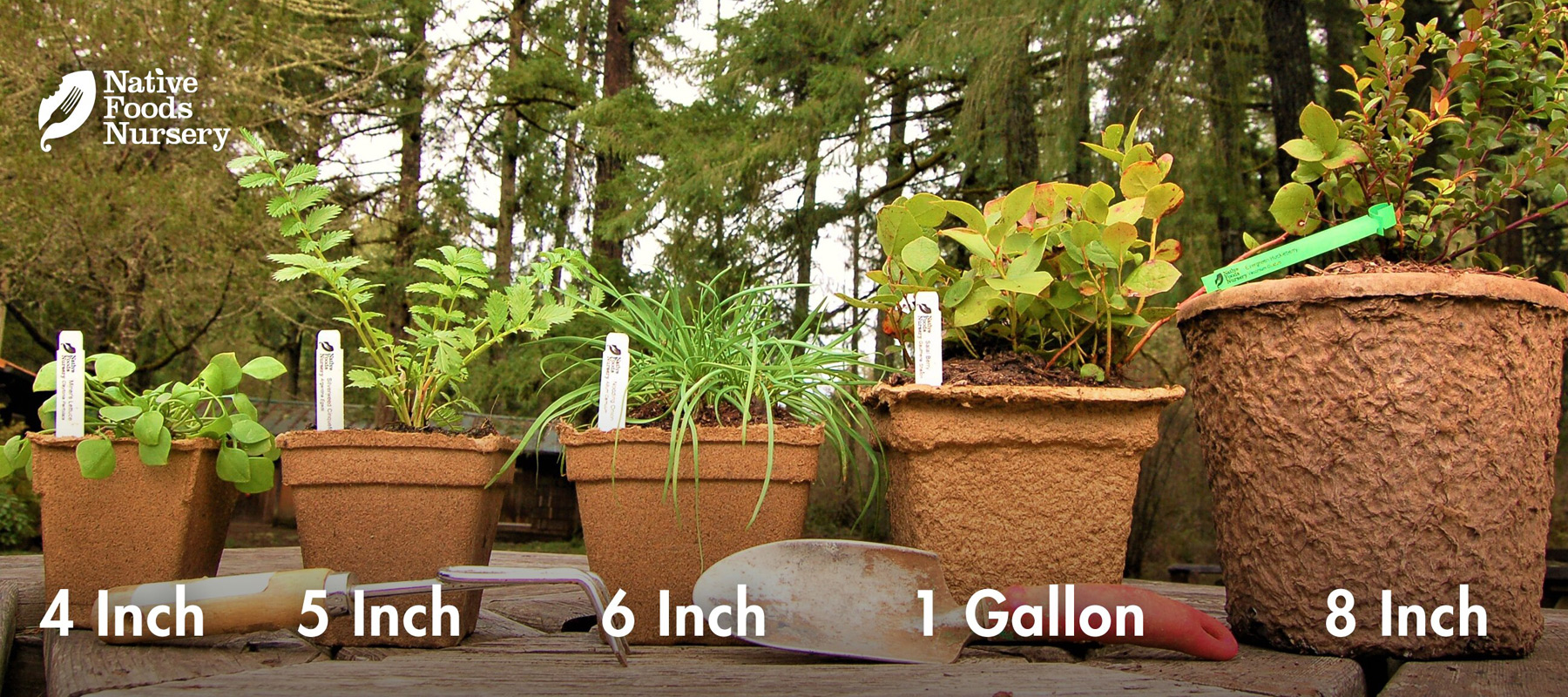
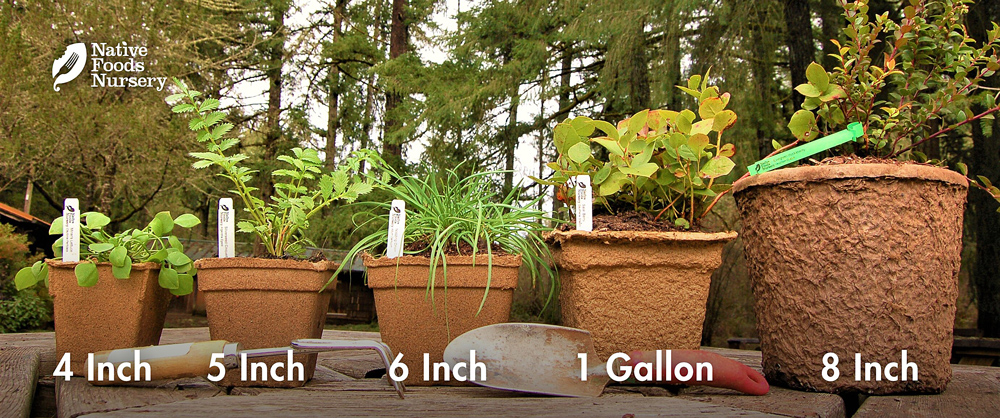
Pot Sizing Guide
Planting Guide: Fool's Onion (Triteleia hyacinthina)
Tip: Plant it in a sunny spot that dries out in summer and let it naturalize into white-pom-pom drifts — it goes dormant after blooming, which is normal.
When Your Plant Arrives
Open the box promptly and lift your plant out gently, holding the pot rather than the stem. Leave it in its biodegradable eco-pot for now — the roots are settled and don’t need disturbing yet. Give it a slow, thorough drink until water runs through the bottom, then set it somewhere bright but sheltered, out of harsh afternoon sun, drying wind, and frost. Let it rest and acclimate there for a few days before planting, so the move from our greenhouse to your garden is a gentle one. If anything doesn’t look right, please contact customer service within 7 days of delivery and we’ll take care of you.
Choosing a Site
Light: Full sun to part shade.
Soil: Well-drained; drought- and clay-tolerant.
Space: 3–4 in apart in drifts.
Planting Steps
Plant corms in fall, 2–3 in deep; firm and water in, and site where summer stays dry.
Foliage dies back as it blooms — that is normal.
Watering & Care
Establishment: Light water through spring growth.
After establishment: Drought-tolerant; keep dry in summer dormancy.
Maintenance: Leave undisturbed to multiply by cormels.
Protection
Deer: Generally left alone.
Wildlife: Late-spring nectar for bees and butterflies.
Harvest Basics
Safety (important): Despite the name, fool’s onion is not a true onion and has no onion smell — so the usual “smells oniony” test does not apply here. In the wild it resembles toxic death camas; eat only corms you are certain of, like these labeled ones.
Season: Dig corms after flowering, once the foliage withers.
Prep: Boil about 10 minutes or roast until tender — sweet and potato-like, not oniony.
Sustainable harvest: Leave cormels to regrow.
